Master projects 2026
(currently being updated)
This list presents the Master’s research projects available starting in September 2026. Applicants to the Master’s program in Neuroscience at the University of Geneva must select 5 projects from the list as part of their application. Following an initial preselection based on the evaluation of the written application, shortlisted candidates may be contacted by the supervisors of the projects they have chosen for an interview.
Stéphane Armand
Develop a pipeline to deliver sensory-level electric stimulation to the peripheral nerves of lower-limb of spastic patients and understand its potential in improving gait.
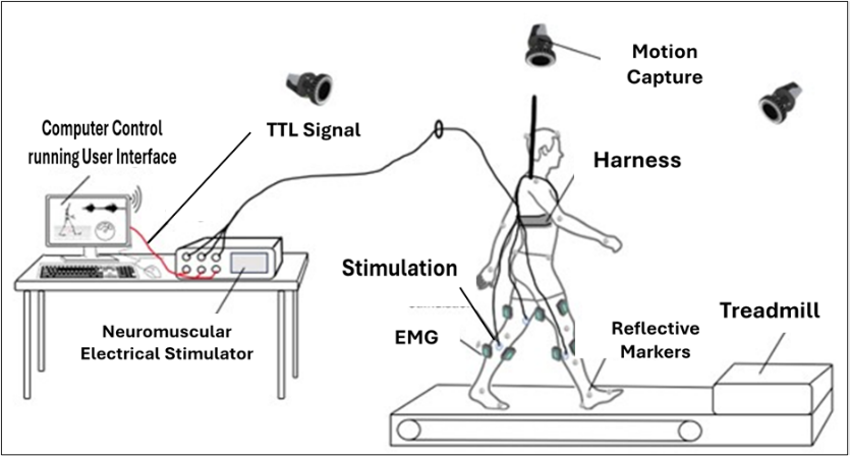
Kinesiology Laboratory at UNIGE/HUG conducts movement assessments for clinical and research purposes. This project relates to the spasticity project aimed towards understanding spasticity mechanisms and implication on walking. The specific aim in the proposed project would be to understand the potential of sensory-level electric stimulation in gait rehabilitation of spastic patients. The researcher will develop a user-interface (pipeline) to deliver electric-stimulation to the peripheral nerves while walking, join an interdisciplinary team to conduct a pilot study, analyze the gait variables (kinematics, kinetics and electromyography), and evaluate the feasibility of sensory-level electric stimulation in spasticity treatment. The project outcome will further inform the development of clinical trials and standardization of protocols for therapeutic use of such sensory-level electric stimulation.
Required Skills and Background
- Background in biomedical engineering or neuroscience
- Basic knowledge of biomechanics of human movement
- Familiarity with motion capture analysis, and OpenSim (Optional)
- Knowledge of MATLAB and Python (Mandatory)
- Experience with data analysis and physiological signal processing
- Openness to work with clinicians, caregivers, and an interdisciplinary team
—————————————————————————————————————————————————————————————————————————————————–
Development and validation of pose estimation method using video-based assessment to evaluate upper limb impairments in children with neuromotor disorders.
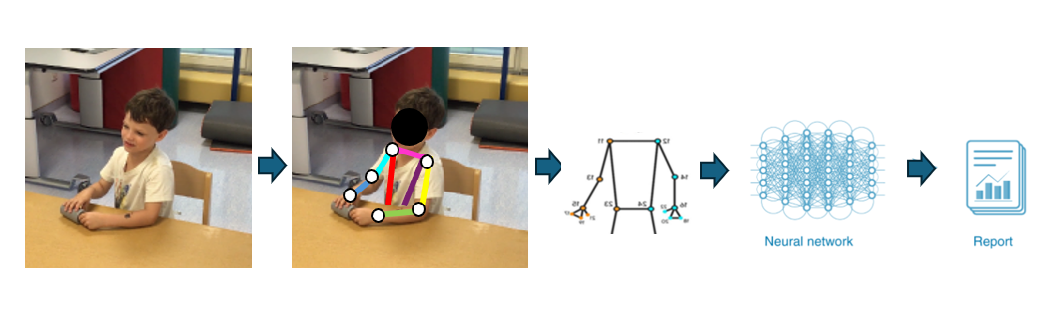
Children with neuromotor disorders frequently present upper limb (UL) movement impairments that limit daily activities. A precise characterization of these impairments is essential to better understand motor strategies and support therapeutic decision-making. However, current UL clinical assessment tools, such as the Assisting Hand Assessment, the gold standard for evaluating bimanual performance, are based on subjective video scoring. Markerless pose estimation provides a cost-effective, time-efficient, and objective alternative for UL movement analysis. This project aims to develop and validate pose estimation methods using video recordings from pediatric clinical assessments. By modeling hand poses and object interactions, we will extract quantitative movement features, identify UL movement patterns, correlate them with clinical scores, and predict the most efficient UL strategies for task performance.
Required Skills and Background
- Computer engineering and data analysis
- AI, Machine Learning
- Pose estimation
—————————————————————————————————————————————————————————————————————————————————–
Estimating Causal Treatment Effects on Gait in Cerebral Palsy
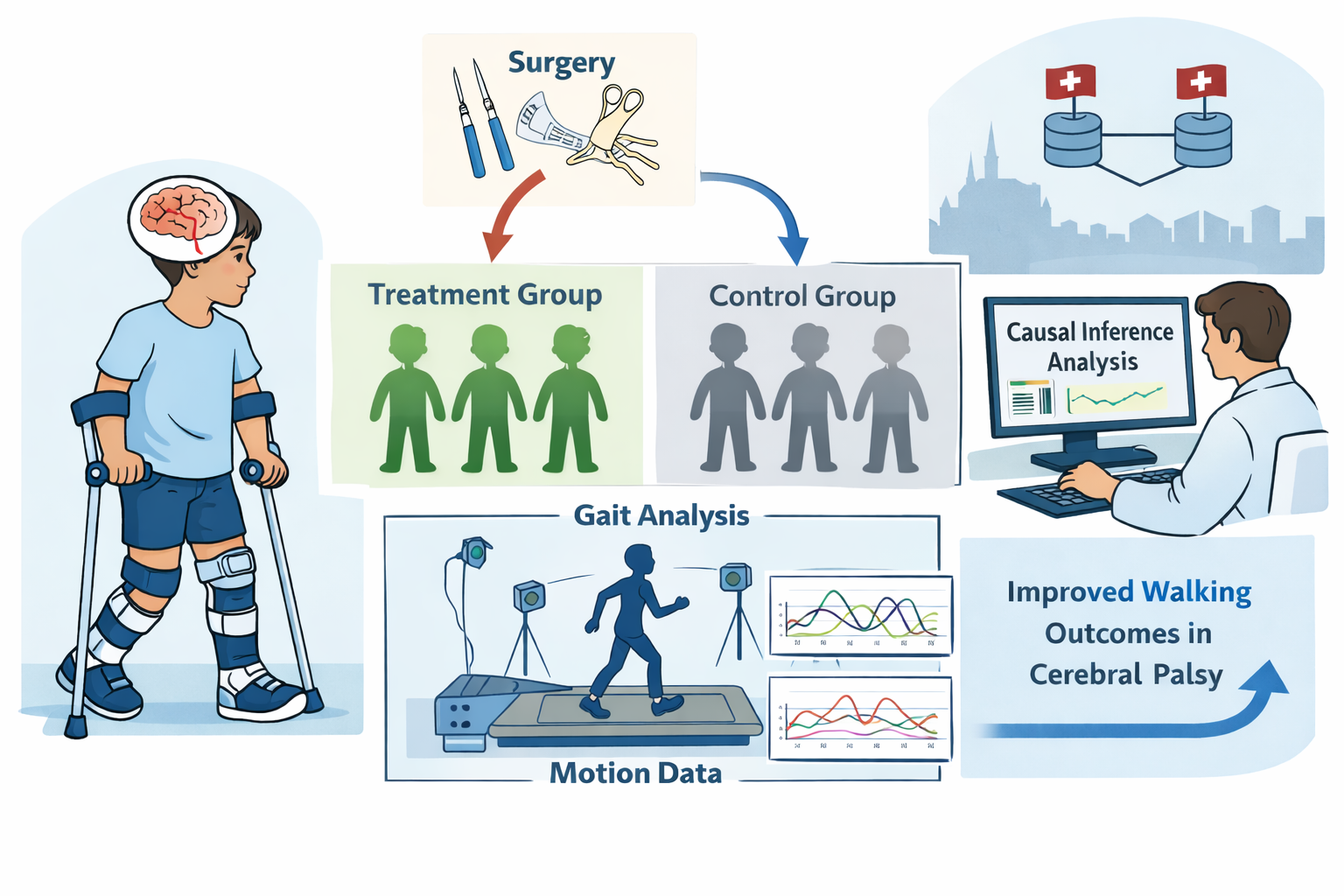
This project aims to estimate the causal effects of different surgical and orthotic treatments on gait outcomes in children with cerebral palsy, using multicentric observational clinical data integrated within the SPHN (Swiss Personalized Health Network) infrastructure. By leveraging instrumented gait analysis datasets from two Swiss centres (Geneva and Basel), the project will identify clinically similar patients who received different treatments. Causal inference methods (e.g., propensity score matching, weighting, counterfactual modeling) will be applied to compare treatment and control groups matched on detailed biomechanical and clinical profiles. The goal is to generate robust real-world evidence and contribute to data-driven, personalized clinical decision-making in children with cerebral palsy.
Required Skills and Background
- Knowledge of statistics and data analysis
- Experience with programming in R or Python for data analysis
- Familiarity with clinical or biomechanical data
- Ability to work with structured clinical databases and large datasets
- Strong analytical thinking and motivation to work in a multidisciplinary clinical research environment
—————————————————————————————————————————————————————————————————————————————————–
Camilla Bellone
Neural mechanisms of social fear generallization and MDMA-based therapeutic modulation
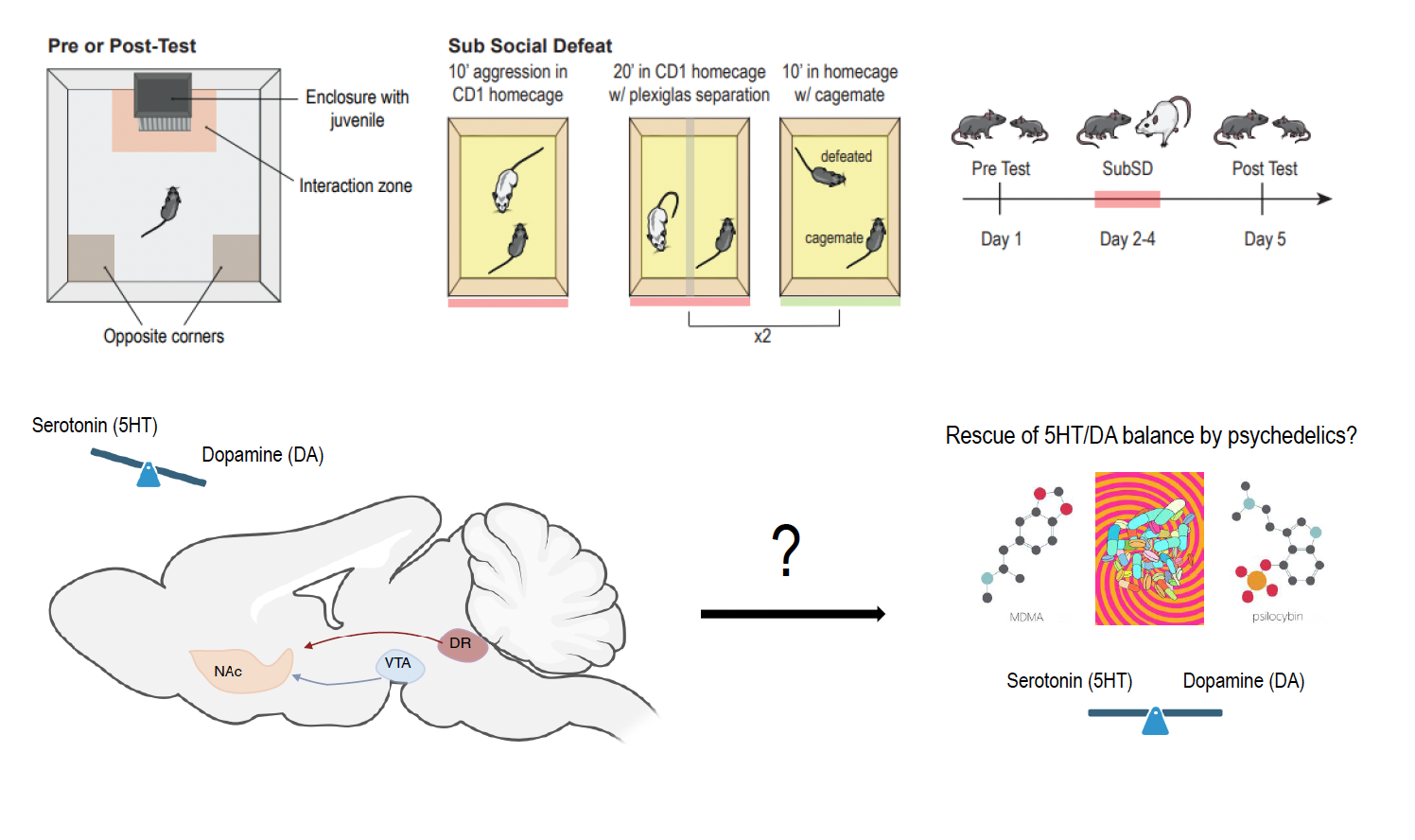
Generalized social fear emerges when repeated aggressive encounters shift an initially specific threat response into broad social avoidance. Using a refined mouse model, this project investigates how dopamine and serotonin co-transmission in the nucleus accumbens regulates this transition and how maladaptive synaptic plasticity arises in relevant circuits (amygdala–NAc, PFC–NAc). The student will combine behavioral assays with in vivo neurotransmitter recordings (fiber photometry) and must master the surgical procedures required for these experiments. The project also aims to analyze diverse behavioral patterns in detail (DeepLabCut, MoSeq, Lisbet) to understand heterogeneity between susceptible and resilient mice. Finally, it examines whether MDMA can rebalance DA/5HT signaling, restore synaptic function, and reduce pathological avoidance to illuminate mechanisms underlying social anxiety disorders.
Required Skills
- Interest in behavioral neuroscience and fear circuits
- Basic knowledge of neurobiology or physiology
- Motivation to work with animal models (mice)
- Computational and analytical skills (Python or R is an asset)
- Ability to learn experimental techniques (behavior, surgeries, photometry, histology)
—————————————————————————————————————————————————————————————————————————————————–
Simon Braun
Genome-wide CRISPR screens to study chromatin regulation in neurodevelopment
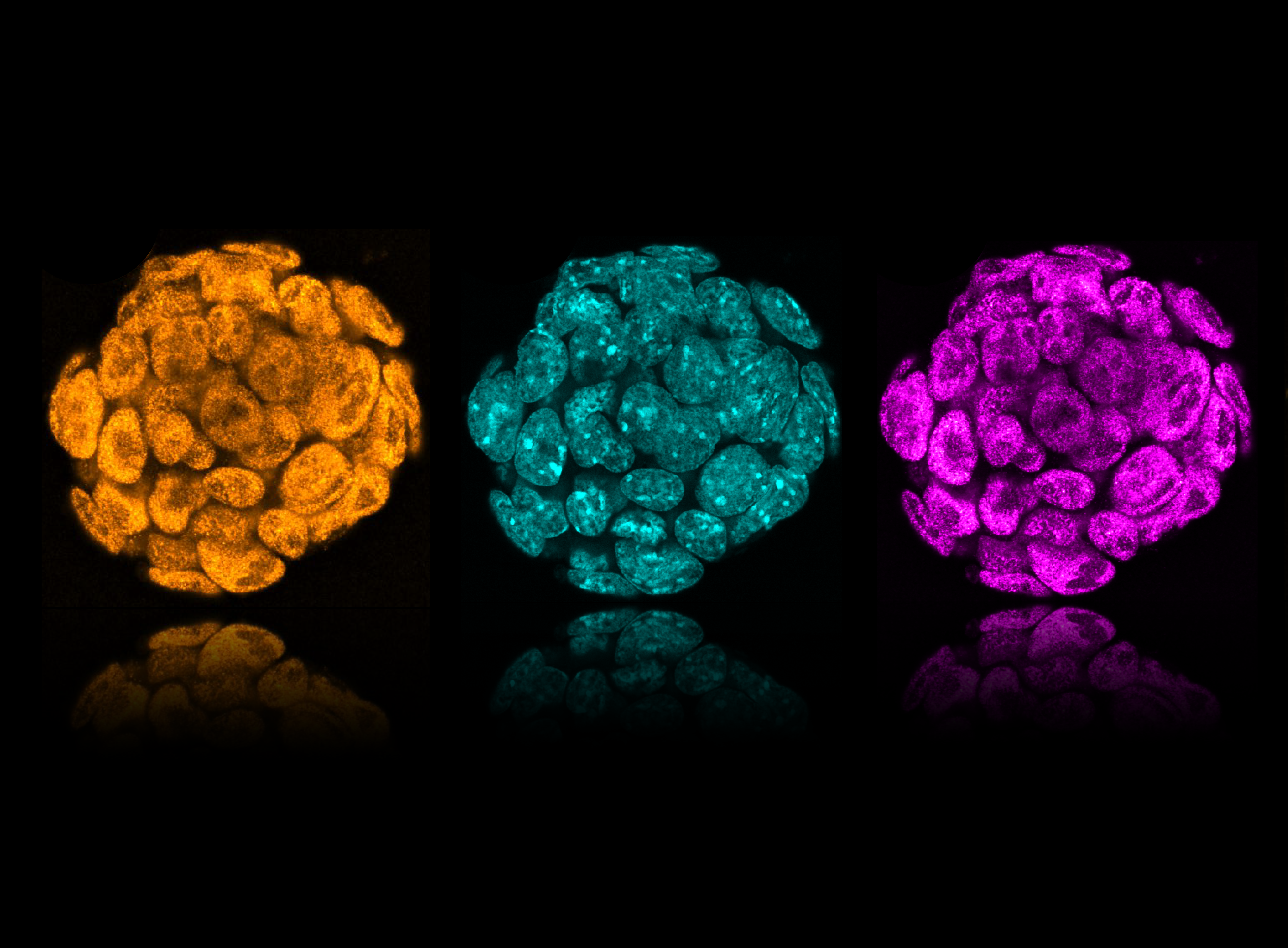
Recent advances in CRISPR technology now allow us to test the function of thousands of genes at once in complex biological systems, such as the developing cerebral cortex. In this project, you will use genome-wide knockout screens to identify genes that regulate chromatin remodelers in neurons. Chromatin remodelers are proteins in the cell nucleus that control how DNA is packaged, thereby influencing which genes are turned on or off during brain development. To understand the developmental roles of these newly identified regulators we will use human cortical organoids, which are stem cell models that mimic key aspects of early brain development. You will examine how disrupting these genes affects neural cell diversity using single-cell RNA-seq. Together, these experiments will help uncover how chromatin regulation shapes cortical development and how its disruption contributes to neurodevelopmental disorders.
Required Skills
No prior experience with these techniques is required. We are looking for motivated and curious students who are interested in joining our team to study how the brain develops. This project focuses on neurodevelopment but also provides hands-on training in modern genomic approaches, such as CRISPR screening, ATAC-seq, and scRNA-seq. You will also gain practical experience in culturing, imaging, and analyzing neurons in vitro.
—————————————————————————————————————————————————————————————————————————————————–
Study of cross-modal attentional modulation during decision-making
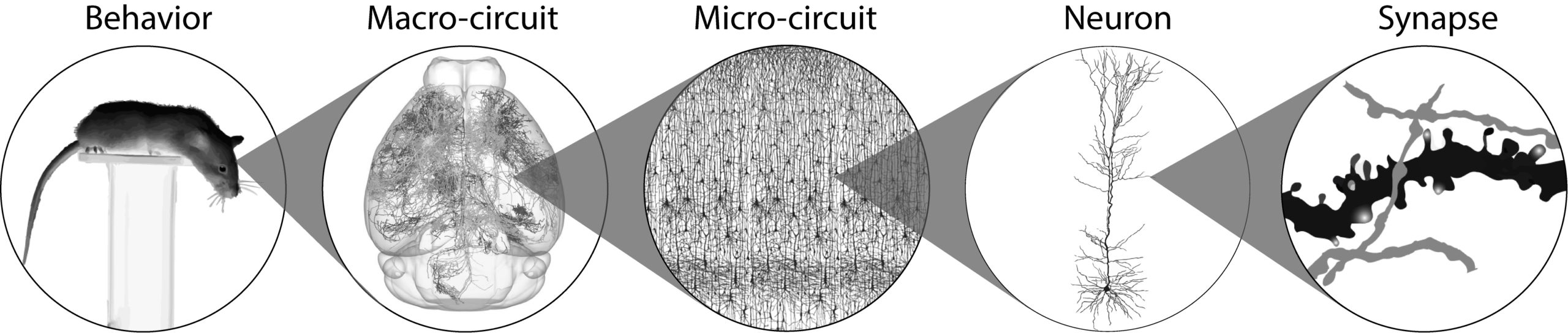
Flexible and effective behavior depends on our ability to distribute attention across sensory modalities. Cross-modal attention is particularly crucial within the peripersonal space, where objects within reach are perceived through multiple sensory modalities, especially vision and touch. Like humans, mice rely on visuo-tactile information to locate objects and discern their shape and movement. Neurons exhibiting visuo-tactile responses interact with the premotor cortex, which is known to play a role in decision-making. However, how the functional organization of multisensory areas is influenced by top-down attentional states remains unexplored. In this project, the Master student will investigate how the spatial organization of visuo-tactile responses provides crucial insights into the interaction of these sensory modalities. This study aims to uncover how saliency maps, which prioritize certain stimuli, are formed as mice dynamically shift their focus between sensory inputs.
Required Skills
Preferred background: Biology, Mathematics, Physics, Genetics, Computer Science, Medicine, Cognitive sciences
—————————————————————————————————————————————————————————————————————————————————–
Nicolas Burra
Neural Dynamics of Interactive Gaze: EEG and Eye-Tracking in Virtual and Live Social Interaction
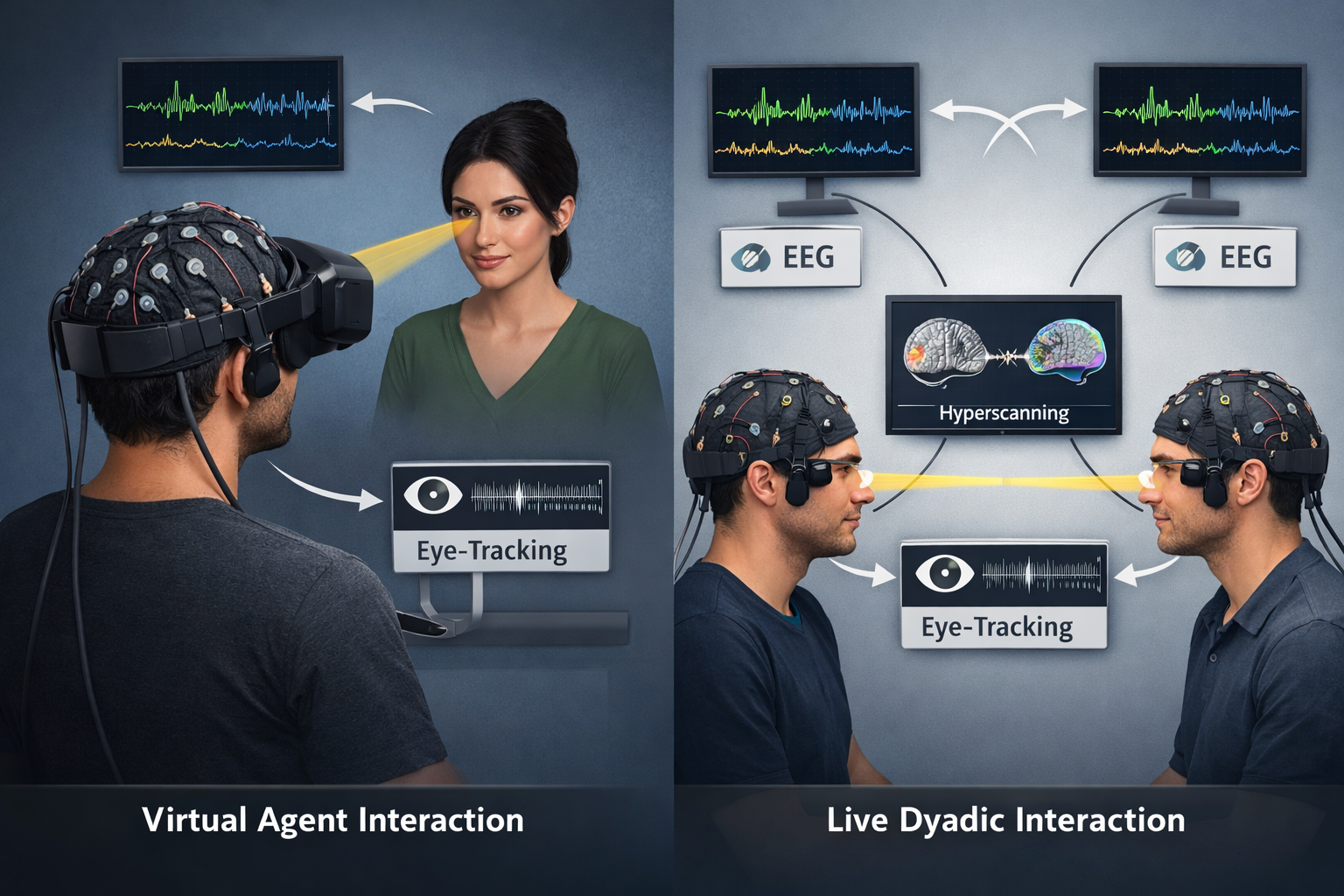
This project investigates how gaze operates as an interactive social signal shaping attention, agency attribution, and neural dynamics. Combining EEG and eye-tracking, the study examines gaze processing across two complementary contexts: (1) immersive virtual reality, where participants interact with adaptive artificial agents whose gaze responds in real time (closed-loop interaction), and (2) live social interaction, using dyadic gaze paradigms with hyperscanning EEG. By manipulating gaze contingency (responsive vs non-responsive agents or partners), the project tests whether gaze is merely perceived or actively negotiated. Neural markers (N170, N2pc, oscillatory dynamics, EEG microstates) and behavioral indices will be used to characterize the mechanisms underlying interactive social meaning. This work bridges digital social cognition and second-person neuroscience.
Required Skills
- Strong interest in social neuroscience and gaze-based social interaction
- Basic knowledge of EEG/ERP or strong motivation to learn EEG preprocessing
- Familiarity with experimental design, programming and inferential statistics (R or Python)
- Interest in eye-tracking, virtual reality, or interactive paradigms
- Ability to work autonomously within a structured research protocol
- Good academic writing skills in English
—————————————————————————————————————————————————————————————————————————————————–
Sami El-Boustani
Large-scale mapping of synaptic plasticity during sensorimotor learning
Uncovering the functional and structural brain changes that facilitate the learning of complex behaviors remains a central challenge in neuroscience. A key hurdle is mapping the spatiotemporal dynamics of synaptic plasticity across various scales and stages—from entire brain networks down to individual synapses—and correlating these dynamics with behavioral adaptations. This project aims to integrate experimental and computational tools to link an animal’s learning abilities with functional and structural synaptic changes. Advanced experimental methods will enable the Master student to measure synaptic changes across the entire brain, identifying the cortical areas critical for mice to learn and perform goal-directed sensorimotor tasks. This research has the potential to significantly enhance our understanding of the relationships between structure, function, and behavior in the context of learning.
Required Skills
Preferred background: Biology, Mathematics, Physics, Genetics, Computer Science, Medicine, Cognitive sciences
—————————————————————————————————————————————————————————————————————————————————–
A theoretical framework for studying learning and decision-making in mice
Decision-making is a fundamental process in neuroscience, orchestrating multiple systems in the brain. It offers a window into the cognitive realm, as an individual’s decisions are profoundly influenced by their current mental state and knowledge of the world. The lab has developed a computational model of decision-making that accurately reflects knowledge acquisition in mice. This model, which incorporates physiological phenomena such as state-dependent appetite motivation, deepens our understanding of learning and decision-making. In this project, the Master student will use this theoretical framework to test key predictions about mouse sensorimotor learning and decision-making. The student will fit behavioral data from individual mice to the model to uncover latent internal variables and intrinsic behavioral traits. Predictions derived from these fits will be tested in new tasks to evaluate the model’s accuracy in capturing mouse behavior across different scenarios. This research will provide essential data to validate the model, which has the potential to become an invaluable tool for the neuroscience community.
Required Skills
Preferred background: Biology, Mathematics, Physics, Genetics, Computer Science, Medicine, Cognitive sciences
—————————————————————————————————————————————————————————————————————————————————–
Valentina Garibotto
Assessment of neurodegeneration biomarkers to Alzheimer’s disease identification and related clinical outcomes
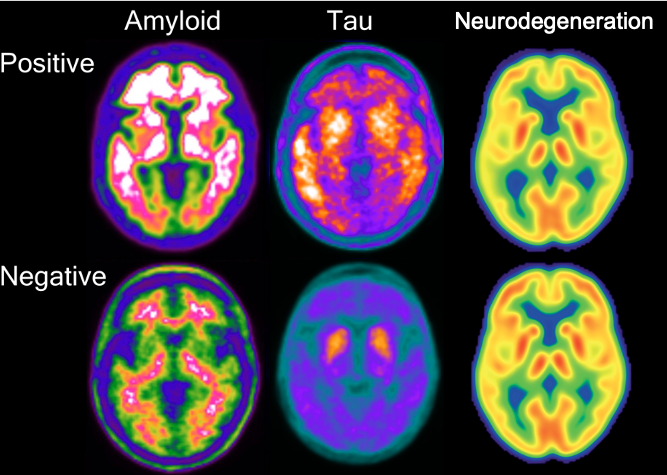
Alzheimer’s disease (AD) is a neurodegenerative disorder characterised by the accumulation of amyloid plaques and neurofibrillary tau tangles deposits, and a characteristic neurogeneration pattern. Positron emission tomography (PET) is an imaging technique that allows for the in vivo assessment of these characteristics, aiding in the diagnosis and prognosis of patients. This project focuses on the analysis of brain PET for the assessment of neurodegeneration in AD patients and their synergistic effect with AD pathology, namely amyloid plaques and neurofibrillary tau tangles, and their effect in clinical manifestation.
Required Skills
- Background in neuroscience, biology, psychology, computer science, or physics
- Experience with neuroimaging techniques or strong motivation to learn
- Experience with neurodegenerative disorders or interest in learning
- Basic knowledge of programming (familiarity with MATLAB and R are preferred)
- Basic knowledge of statistics
—————————————————————————————————————————————————————————————————————————————————–
Nathalie Ginovart
Compromised reward prediction error mechanism: a bridge impulsivity and drug addiction?
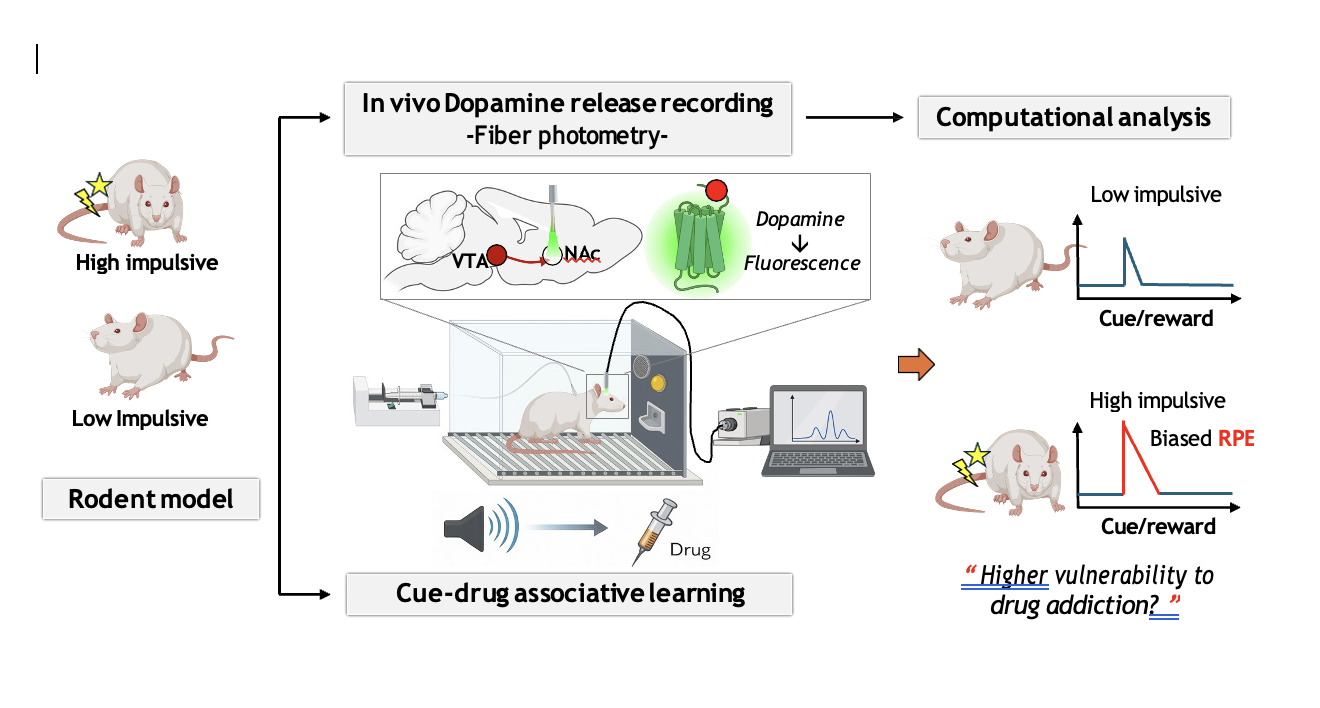
This project investigates the neurobiological mechanisms linking impulsivity to higher vulnerability to develop drug addiction. The dopaminergic system has been proposed as a key interface between impulsivity and addiction, yet its precise contribution remains unclear. Through reward prediction error (RPE) mechanism— reflecting the difference between expected and actual outcomes—dopamine supports associative learning between cues and rewards. RPE mechanisms may be altered in impulsive individuals, increasing their sensitivity to drug and drug- associated cues. Using a rodent model of impulsivity, we will record in vivo dopamine release via fiber photometry during an experiment in which a auditory cue predicts a drug delivery. This will allow us to determine whether impulsive individuals exhibit biased RPE processing that promotes addiction.
Required Skills
- Neuroscience Background and basic knowledge on the dopaminergic system.
- Basic Programming Knowledge: Familiarity with Python for data analysis and visualization.
- Willingness to work with rodents: surgeries, Behavioral experiments and in vivo neural recordings using fiber photometry, Perfusions and postmortem histological analyses.
—————————————————————————————————————————————————————————————————————————————————–
Frédéric Grouiller
Detecting and Quantifying Head Motion in Brain MRI with MRIQC
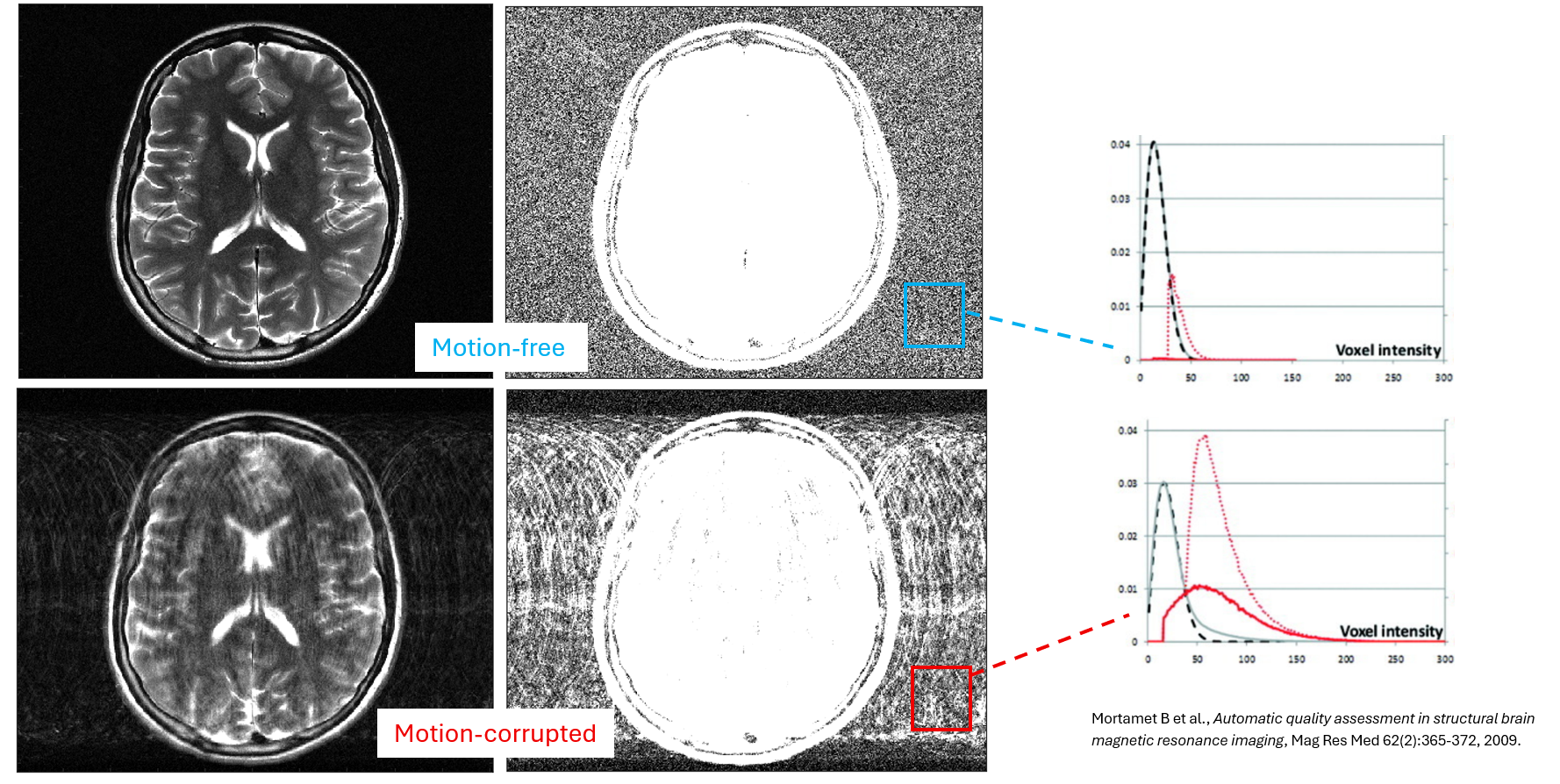
Head motion during brain MRI can degrade images and, more importantly, bias downstream neuroimaging measures (e.g., morphometry, fMRI connectivity), threatening scientific conclusions and clinical interpretation. This project investigates automated, motion-aware quality control using MRIQC, an open-source toolbox that computes diverse image quality metrics (IQMs). The student will (1) become familiar with the most relevant IQMs and their physical/biological meaning, then (2) benchmark their sensitivity and robustness to motion using both in-vivo motion-corrupted scans and simulated motion datasets with known ground-truth parameters. The main objective is to determine how well MRIQC can detect and quantify motion-related image degradation, and to derive practical guidelines (or a composite score) for reliable QC in neuroscience studies.
Required Skills
- Interest in MRI and image processing.
- Basic programming experience, ideally with Python/MATLAB (notions of Bash is a plus).
- Ability to work independently and proactively seek and apply relevant information.
—————————————————————————————————————————————————————————————————————————————————–
Advancing clinical fMRI protocols for enhanced presurgical brain mapping
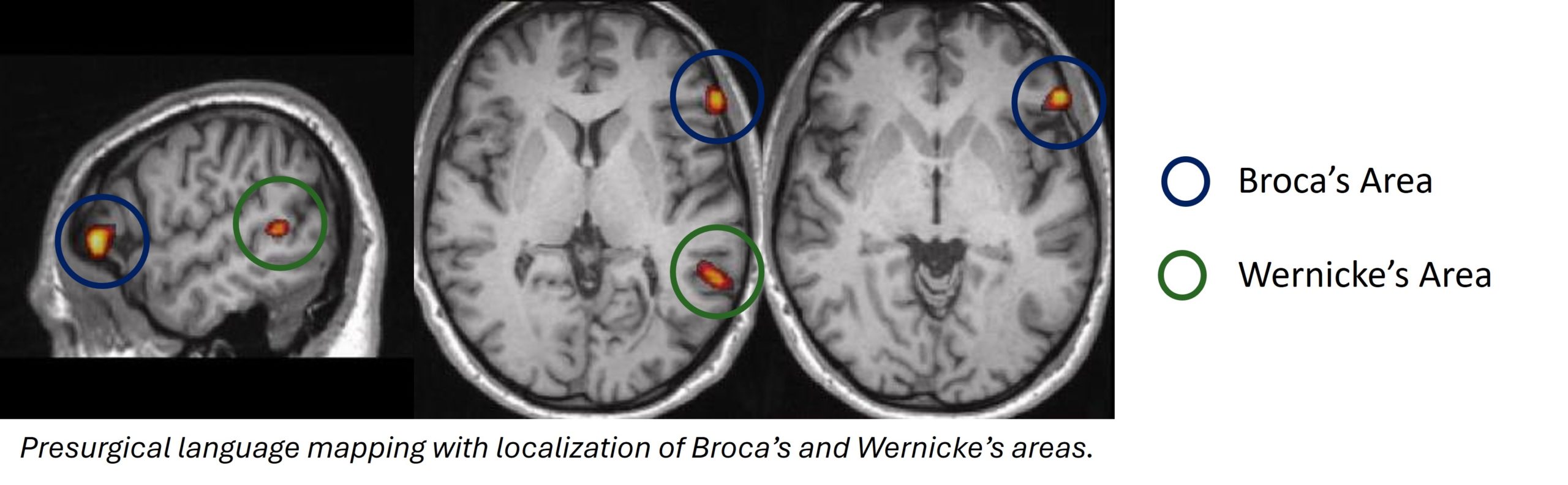
This project aims to develop a standardized and clinically deployable set of task-based functional MRI (fMRI) paradigms targeting fundamental brain functions, including motor, visual, auditory, and language processing. Using PsychoPy, the tasks are coded to be compatible with clinical fMRI protocols and adaptable to multiple languages and cognitive levels, addressing diverse patient populations such as children, adults, and individuals with cognitive impairment.
Conducted within the Center for Biomedical Imaging (CIBM), the project focuses on improving patient-tailored workflows for clinical fMRI by providing reliable assessment tools for diagnostic evaluation and pre-surgical functional mapping. The protocols undergo pilot testing and clinical validation before being integrated into routine neuroradiological practice at the HUG, enhancing the accessibility, efficiency, and accuracy of specialized fMRI examinations.
Required Skills
- Motivation to contribute to a translational research project conducted directly within the Radiology Department at HUG.
- Strong teamwork abilities and ease collaborating within a multidisciplinary team.
- Prior experience with PsychoPy or other experimental design software would be a strong assets.
- Basic understanding of fMRI paradigms and neuroimaging data collection.
- Programming skills (Python preferred) for task development.
- Interest in clinical applications of cognitive neuroscience.
—————————————————————————————————————————————————————————————————————————————————–
Evaluation of motion-robust fast acquisitions for functional imaging of the brain on a next-generation 3T MRI system
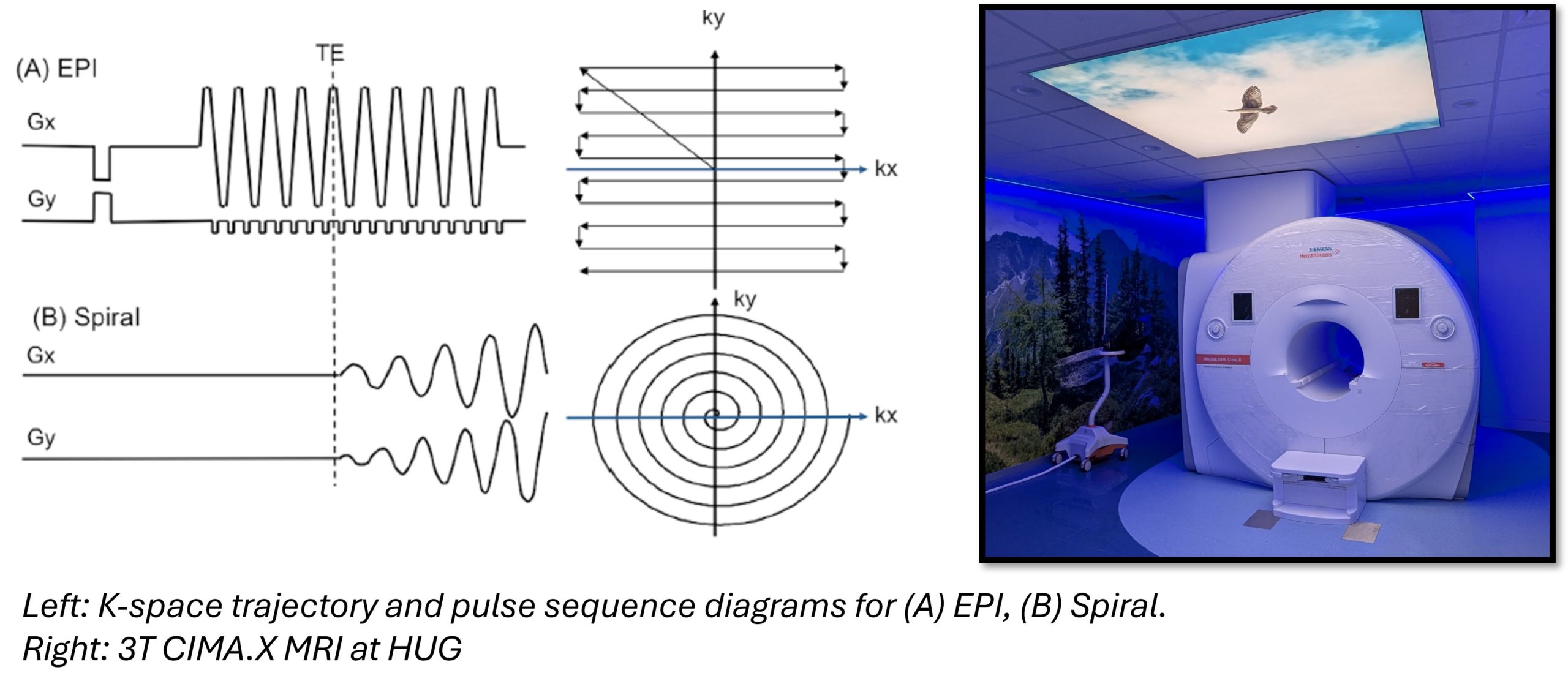
This project, conducted in collaboration with Siemens Healthineers, evaluates the quality of functional MRI acquired using spiral imaging compared to the standard Echo-Planar Imaging (EPI). fMRI relies on subtle T2*-weighted signal changes that are highly sensitive to motion and acquisition speed. While EPI is widely used, it is prone to distortions, whereas spiral trajectories may provide higher resolution and improved contrast but require more demanding gradient performance. With new high-performance gradient systems, these limitations can now be reconsidered. The project includes reviewing spiral fMRI literature, adapting existing analysis pipelines, generating and comparing activation maps from spiral and EPI data, and assessing the benefits and drawbacks of spiral imaging. It involves hands-on acquisitions on the new 3T Cima.X scanner at HUG.
Required Skills
- Motivation to contribute to a translational research project conducted directly within the Radiology Department at HUG.
- Strong teamwork abilities and ease collaborating within a multidisciplinary research environment.
- Genuine interest in advancing and refining novel functional MRI techniques.
- Curiosity, open-mindedness, and readiness to tackle exploratory analyses.
- Prior experience in image analysis and familiarity with software tools for MRI—and ideally fMRI—data processing are strong assets.
—————————————————————————————————————————————————————————————————————————————————–
Alexis Hervais-Adelman
From sensation to meaning: Words and sentences in the brain
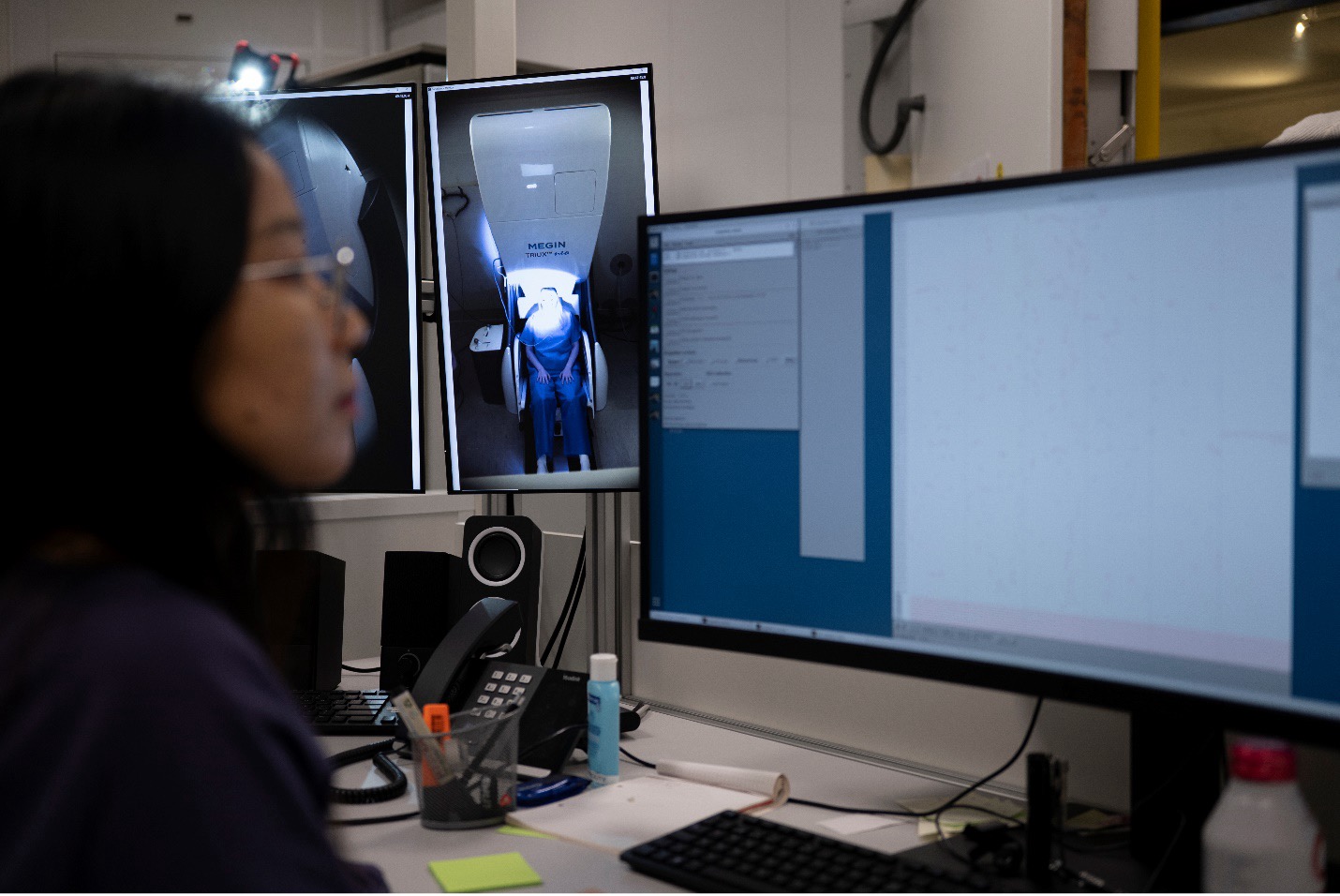
Understanding a message conveyed through speech, sign, or text may feel effortless, but it is a highly complex task demanding significant processing resources. Our lab is offering projects for two students interested in investigating the neural bases of language. The projects focus on how the brain extracts structure and builds meaning from words and sentences in diverse conditions, such as in quiet or noisy surroundings, during reading, or in humans with different native languages. You will work with recordings of human brain activity to uncover new information about the cerebral processes that provide us with our language capacity. You will learn more broadly about language and the brain, develop your coding skills and build your neuroscientific research expertise.
Required Skills
- Interest in the cognitive neuroscience of language
- Strong motivation to explore language processing and neural dynamics
- Basic programming competence (e.g., Python, MATLAB, R)
Having completed a linguistics class and experience with statistical software (R, JASP) is beneficial but not required.
—————————————————————————————————————————————————————————————————————————————————–
Daniel Huber
Mechanoreceptors in a dish
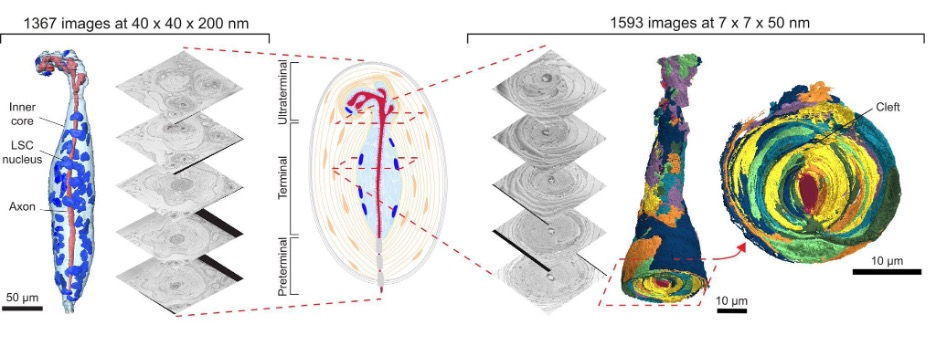
Through vibration, touch allows us to explore and interact with the physical world, from sensing fine surface textures to precisely controlling tool use. Pacinian corpuscles are rapidly adapting mechanoreceptors specialized for detecting high-frequency vibration and fine texture, enabling dexterous object manipulation and haptic perception. Their exceptional sensitivity arises from the unique architecture of the corpuscle, which surrounds a myelinated afferent terminal with concentric layers of specialized lamellar cells. While mechanotransduction in these receptors is thought to rely on mechanically gated ion channels, how the corpuscle’s cellular organization shapes signal amplification, adaptation, and frequency tuning remains poorly understood. Elucidating these principles is essential not only for understanding the fundamental biology of touch, but also for uncovering how vibratory perception becomes altered across the lifespan and in pathological states, and for guiding future strategies to restore or augment tactile function.
Required Skills
We seek students with an interest in sensory neuroscience and biophysics, particularly tactile perception. The project will involve a combination of experimental approaches, including extracellular electrophysiological recordings, two-photon functional imaging, high-resolution electron microscopy with three-dimensional ultrastructural reconstruction, and immunohistochemical and molecular analyses to relate cellular identity and molecular features to physiological function. The student will receive hands-on training in these methods within a collaborative research environment. Experience with electrophysiology, imaging, or animal handling and tissue preparation is advantageous but not required. Basic programming skills are a plus.
—————————————————————————————————————————————————————————————————————————————————–
The neurobiology of genital touch sensation
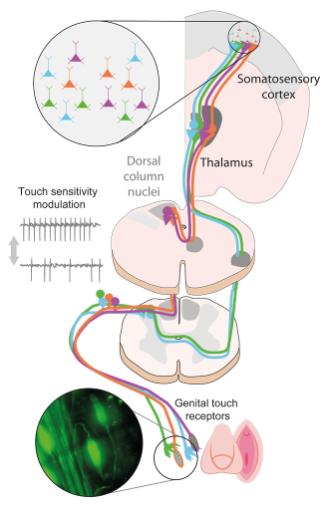
Compared with other sensory systems, surprisingly little is known about touch sensation in the genitals and how it adapts to changing biological states. Significant changes in genital touch sensation have been reported, particularly in women, which correspond to hormonal fluctuations across the lifespan, as well as following neurodegeneration caused by aging or trauma (e.g., female genital mutilation, birth, cancer and other genital conditions). Recent evidence suggests that even pigmentation and the presence or absence of genital hair could influence genital sensations and functions.Your role: Join our group to investigate how peripheral and central neural mechanisms shape genital sensitivity under these diverse conditions. You will contribute to an extensive translational project bridging human and mouse studies. In humans, you could contribute to developing genital psychophysical assays and use tissue clearing and 3D lightsheet imaging to characterise human genital tissues in neurodegenerative states. In parallel, this project offers the opportunity to use optogenetics, high-resolution two-photon imaging, and electrophysiology to interrogate the peripheral and central neural mechanisms of genital touch perception.
Required Skills
We seek students with a keen interest in the somatosensory and sensorimotor systeWe seek students passionate about sensory systems biology. Candidates should bring creativity, enthusiasm for collaborative and hands-on laboratory and translational work. Proficiency in R, MATLAB, or Python, as well as good French skills, are advantageous.
—————————————————————————————————————————————————————————————————————————————————–
Converting music into vibrotactile cues

Music is a universal cultural cornerstone, yet it remains only partially accessible to those with hearing impairments. Over the past few years, we have developed haptic devices to enable musical experiences through touch. Our research reveals that the sense of touch, like vision and hearing, has unique sensitivity thresholds requiring personalized calibration for optimal vibration-based stimuli. In this project we will develop innovative and cutting-edge approaches to measure these individualized thresholds by assessing both behavioral responses and neurophysiological correlates, thereby defining the perceptual limits of vibration-based stimuli. This project aims to objectively study tactile perception using psychophysical testing and neuroimaging (EEG/MEG) in human subjects. The student will design experiments to measure perceptual thresholds, record neural data during vibrotactile stimulation, and analyze music-related neural correlates.
Required Skills
Applicants should have a keen interest in cognitive neuroscience, proficiency in French and English, and good programming skills (MATLAB, Python, or R). Familiarity with basic hardware and musical or engineering skills are a plus.
—————————————————————————————————————————————————————————————————————————————————–
Foraging strategies in freely moving primates

Primates are among the most highly encephalized creatures, with their large brains supporting advanced cognitive functions and behavioral skills. Mouse lemurs (Microcebus murinus), a prosimian primate endemic to Madagascar, present a unique opportunity to study primate neuroethology. As an early stem primate, their relatively small size and large brain-to-body ratio make them a compelling model for investigating the relationship between neural architecture, cognitive abilities, and behavioral strategies. Understanding how mouse lemurs forage within their natural habitat and laboratory conditions provides critical insights into the ecological and neural factors influencing their decision-making and adaptability.
This project investigates the foraging strategies of mouse lemurs, integrating field observations in their natural habitat with controlled neurophysiological experiments in laboratory settings. Using EthoLoop, a novel behavioral tracking framework, we will explore how environmental complexity and resource distribution influence their decision-making and adaptability. The study aims to characterize foraging behaviors, examine their neurophysiological basis, and provide insights into the evolutionary drivers of cognitive complexity. Findings from this research have broader implications for conservation and understanding the ecological and neural factors underlying primate adaptability.
Required Skills
We seek students with a keen interest in primate neuroethology. Candidates should bring creativity, enthusiasm for collaborative and hands-on laboratory and field work. Proficiency in programming is important, and engineering skills are a plus.
—————————————————————————————————————————————————————————————————————————————————–
Clara James
Data-driven modeling of brain plasticiy using longitudinal MRI and open science
We seek 1 motivated master student with a background in engineering, data science or a strong affinity with those fields, to join our interdisciplinary neuroscientific team on the ORBIT randomized controlled trial (SNSF 214977; https://doi.org/10.1186/s12906-024-04433-1). The goal of this large study of 130 children (6-8 years old at baseline) is to evaluate the effects of 2-year art interventions on executive function, brain development, and behavioral development. Children were randomized into 3 intervention groups (Orchestra in Class, Visual Arts, and Cultural Outings). The research focus of these projects is to evaluate and compare the longitudinal effects of art interventions (group-by-time interactions), i.e., brain plasticity induced by learning. As part of your missions, you will analyze one or several modalities of brain Magnetic Resonance Imaging (MRI) data with standard neuroimaging pipelines (grey matter morphometry, white matter structural connectivity, working memory task neural activations, and/or resting-state functional connectivity). The choice of the modality depends on your abilities and background. Importantly, all data will be collected before you join the team, and, in addition to computational analyses, you will play a strong role in preparing the dataset for release in a few years (data standardization). Depending on your skills and level of autonomy, there is also an opportunity to work on another open science project to release the database associated with a similar project on healthy aging conducted between 2018 and 2022 for the scientific community.
Required Skills
- Basic knowledge of statistical analysis, data science, and programming (eg. bash, matlab, R and/or python),
- Some knowledge of neuroscience and MRI analysis tools (eg. SPM, fMRIprep) is a plus
- Interest in development, brain plasticity induced by learning, interventions
—————————————————————————————————————————————————————————————————————————————————–
Nina Kazanina
Neural data analysis to uncover the processes of human language
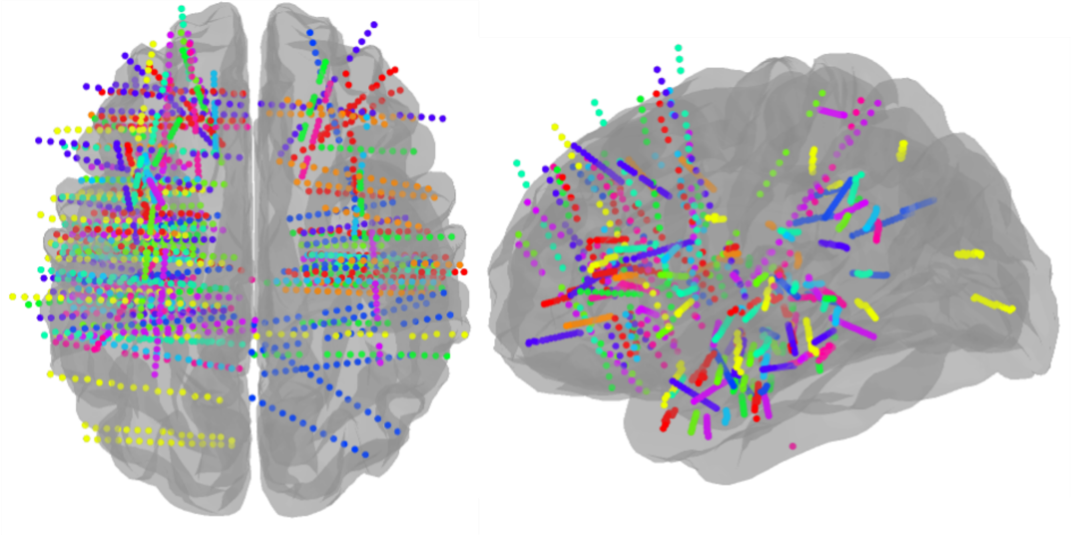
Intracranial electrophysiological recordings offer excellent temporal and spatial resolution, enabling detailed investigation of the neural computations that support language and other uniquely human high-level cognitive abilities.
This project will leverage intracranial datasets together with advanced analytical frameworks—including representations derived from large language models—to examine how distinct cortical regions contribute to a cascade of linguistic operations. In speech understanding, the acoustic signal reaching the ear is progressively transformed through a series of hierarchical steps: sounds are encoded and combined into phonemes and words in temporal cortex, before being integrated into higher-level meaning in frontal regions. The same set of operations is engaged during speech production, but in the opposite order. Production begins with an intended meaning, which is translated into a linguistic structure and ultimately into the motor commands that control speech articulation. Although these transformations occur effortlessly in everyday communication, they rely on a highly complex sequence of neural computations that remain only partially understood. A central goal of this project is to clarify how these computations are distributed across cortical regions and coordinated over time. To this end, data are currently being collected from patients implanted with intracranial electrodes at the Geneva University Hospitals (HUG), in close collaboration with neurosurgical teams. An important component of the work will also involve developing robust, scalable preprocessing and analysis pipelines capable of handling large intracranial datasets on high-performance
In collaboration with Sophie Schwartz’s lab.
Required Skills
- Excellent Python programming skills are essential.
- Experience with neural data analysis (e.g., MNE-Python, scikit-learn) is strongly preferred; familiarity with Bash and Slurm-based computing clusters is advantageous.
- Basic knowledge of linguistic concepts is beneficial but not required.
—————————————————————————————————————————————————————————————————————————————————–
Building blocks of language: neural mechanisms of information integration during real-time language comprehension.
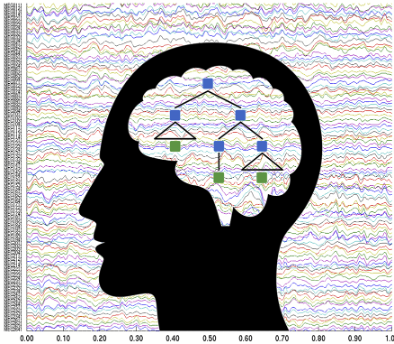
This project investigates the neural mechanisms underlying the formation, storage, and retrieval of meaning in human language. Using neuroimaging and computational techniques, we aim to assess whether linguistic representations undergo spontaneous replay, akin to phenomena observed in other modalities like visual and motor stimuli.
How does the brain represent incoming information and integrate it word-by-word into one coherent representation? For example, to understand the phrase “black cats and brown dogs” we must first group together “black” with “cats” and “brown” with “dogs” and only later we can group “black cats” with “brown dogs”. Crucially, we understand that the previous sentence is the same as “brown dog and black cats” but not the same as “brown cats and black dogs.” How we group words together and organize information influences the final interpretation. Yet, the mechanism of how two independent words merge into one unified representation remains unknown. Moreover, we know that people remember more when words form a phrase – how does the final representation differ from the sum of its parts?
To assess these questions, we use neuroimaging and computational techniques. We will work with magnetoencephalography or electroencephalography (MEG or EEG) data and a combination of analyses, including oscillation analysis, phase-amplitude coupling analysis and multivariate pattern decoding. This is an ongoing project, and you will be encouraged to refine your own research question within the preexisting framework.
Overall, this project aims to deepen our understanding of the neural basis of human language processing. By looking at a minimal mechanism that combines two items into one, we also probe a more general computational principle of cognition.
In collaboration with Sophie Schwartz’s lab.
Required Skills
- (At least some) experience coding in Python
- Theoretical knowledge or interest in MEG/EEG methods
- Familiarity with basic statistical analyses and/or more advanced machine learning models is a plus
- Basic knowledge of linguistic concepts is beneficial but not required
—————————————————————————————————————————————————————————————————————————————————–
Neural mechanisms underlying meaning in human language
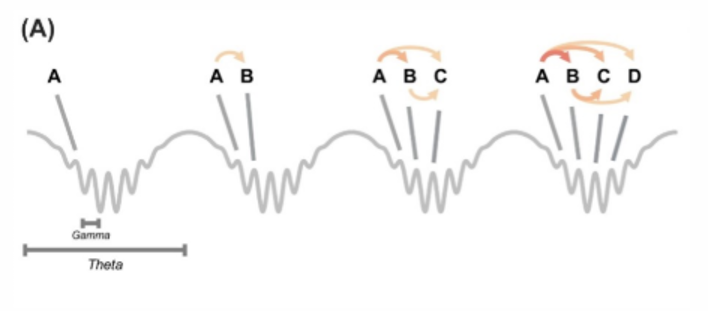
Magnetoencephalography (MEG) allows us to measure brain activity in real time, capturing the fast neural dynamics involved in understanding language. By recording the magnetic signals generated by neural activity, MEG provides both high temporal precision and good spatial resolution, offering a unique window onto how meaning unfolds in the human brain.
This project investigates how the brain forms, stores, and retrieves meaning in language. Using MEG and computational analyses, we examine whether neural patterns associated with language are spontaneously reactivated over time, as has been observed for visual and motor experiences. Language’s structured nature makes it an ideal domain for studying how the brain combines words into coherent meanings. We ask how these combinations are represented and whether sentence elements are reactivated together as unified representations. We explore how interacting neural rhythms help the brain integrate a sequence of words into a single, coherent meaning.
A central goal is to determine whether language processing preserves the core meaning of a sentence while discarding superficial differences in phrasing. For example, “the cat is playing in the garden” and “in the garden, the cat is playing” may converge onto the same neural representation despite their different word orders.
Overall, this project aims to advance our understanding of how meaning is represented in the brain and to clarify the neural foundations of human language and cognition.
In collaboration with Sophie Schwartz’s lab.
Required Skills
- (At least some) experience coding in Python
- Theoretical knowledge or interest in MEG/EEG methods
- Familiarity with basic statistical analyses and/or more advanced machine learning models is a plus
- Basic knowledge of linguistic concepts is beneficial but not required
—————————————————————————————————————————————————————————————————————————————————–
Neural code of syntactic structure
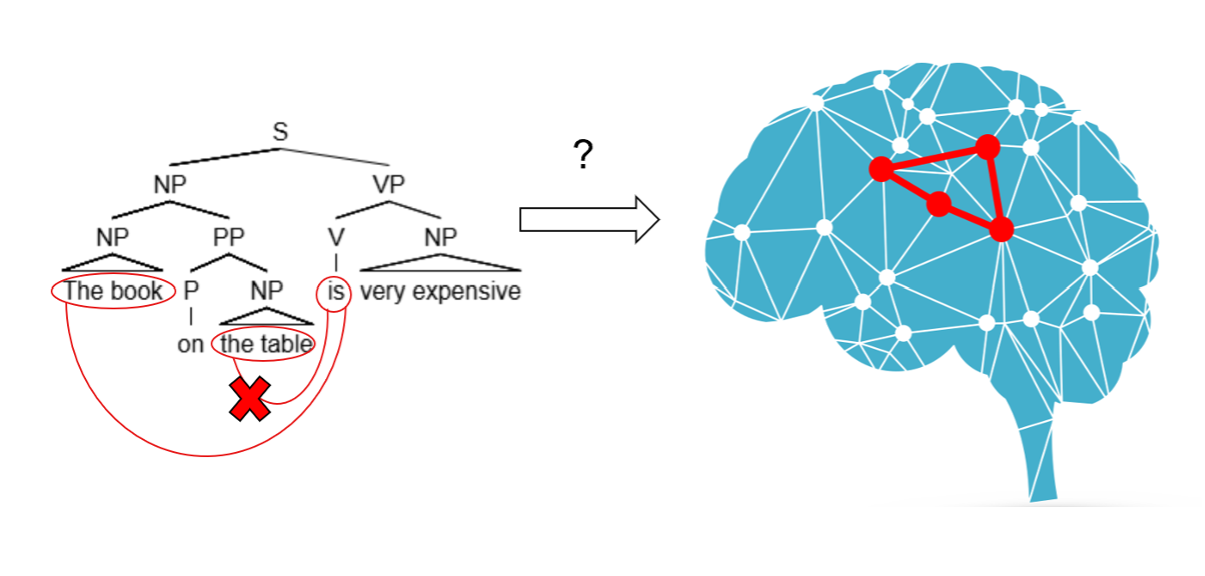
This project explores the neural mechanisms involved in the representation of linguistic syntactic structure by applying computational methods to two published datasets (MEG and ECoG) with participants listening to naturalistic stimuli.
The defining feature of syntactic structure is that the relations between words in a sentence are not determined by linear order but rather by hierarchical relations within a syntactic tree. For example, in the sentence “the book on the table is very expensive”, the verb “is” relates to “the book” and not to “the table” that immediately precedes it.
We will use the syntactic structures within the naturalistic stimuli to guide our analyses and test the predictions of indexing and temporal binding accounts of structural binding.
(supervised by Dr. Itsaso Olasagasti)
Required Skills
- Strong coding skills in Python.
- Interest or experience in Magnetoencephalography (MEG) or ECoG.
- Basic knowledge of linguistic concepts is beneficial but not required.
—————————————————————————————————————————————————————————————————————————————————–
Matthias Kliegel
Intention offloading: age differences in strategy decisions
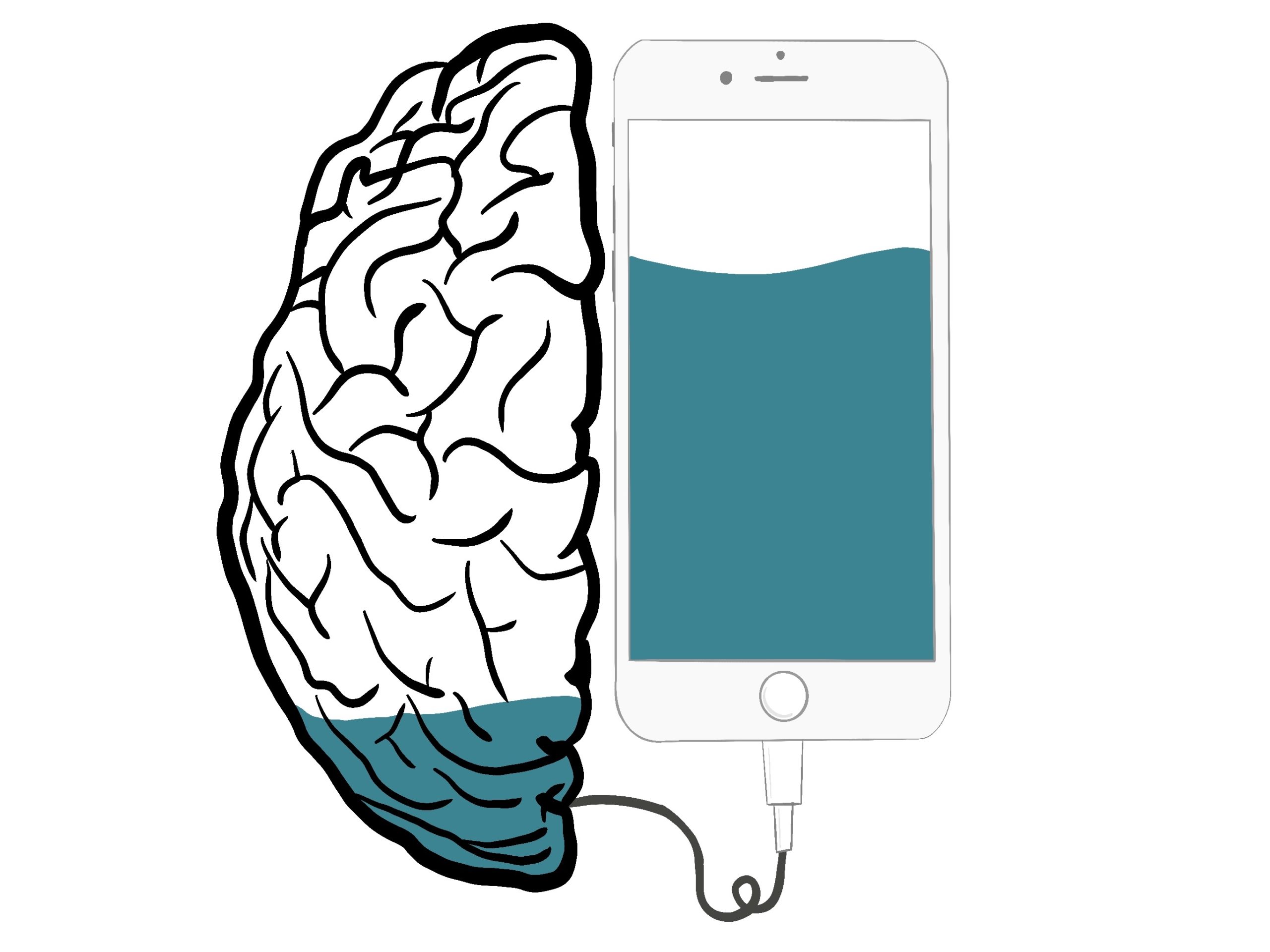
Remembering to take medication at a specific time or attend an important meeting later in the day are examples of delayed tasks that require maintaining intentions in memory. To ease this mental burden and increase the likelihood of success, people often rely on external aids such as alarms or to-do lists—a process known as intention offloading. Despite its importance for daily functioning, little research has explored this process, its underlying mechanisms, and its evolution across the lifespan. This project investigates how aging affects the use of external reminders, focusing on two key factors: motivation and cognitive effort. Behavioral studies and physiological measures, such as cardiac pre-ejection period and systolic blood pressure, will explore age differences in how motivational factors influence reliance on reminders. The findings aim to provide insights into age-related changes in intention offloading and inform interventions to improve memory strategies across the lifespan.
Required Skills
- Strong interest in cognitive neuroscience, especially memory and aging
- High motivation, creativity, and proactivity, with the ability to contribute ideas and critically evaluate scientific literature
- Proficiency in written and spoken English and French Strong interpersonal skills for working with human participants
- Programming experience, ideally with PsychoPy, Matlab, SPM, and R
- Experience analyzing fMRI data, psychophysiology, or computational modeling (advantageous)
—————————————————————————————————————————————————————————————————————————————————–
Pierre Mégevand
Top-down and bottom-up processing of naturalistic audiovisual speech
In natural conversation, visual speech cues provide the receiver with sensory information that complements that carried by the voice. The mechanisms by which visual speech cues impact cortical activity remain incompletely understood. Two processing routes are plausible: a bottom-up, purely sensory stream vs. a top-down one through language-related regions. The lab designed an innovative audiovisual popout experiment to disentangle bottom-up vs. top-down processing. In this project, the master student will be tasked with analyzing high-density scalp EEG and intracranial EEG datasets of participants in this experiment.
Required Skills
- Interest in the cerebral underpinnings of speech and language
- Scientific computing in MATLAB
- Experience with EEG data analysis in MATLAB is a plus
—————————————————————————————————————————————————————————————————————————————————–
Alison Montagrin
Neural mechanisms anchoring goal-relevant habits in spatio-temporal memory
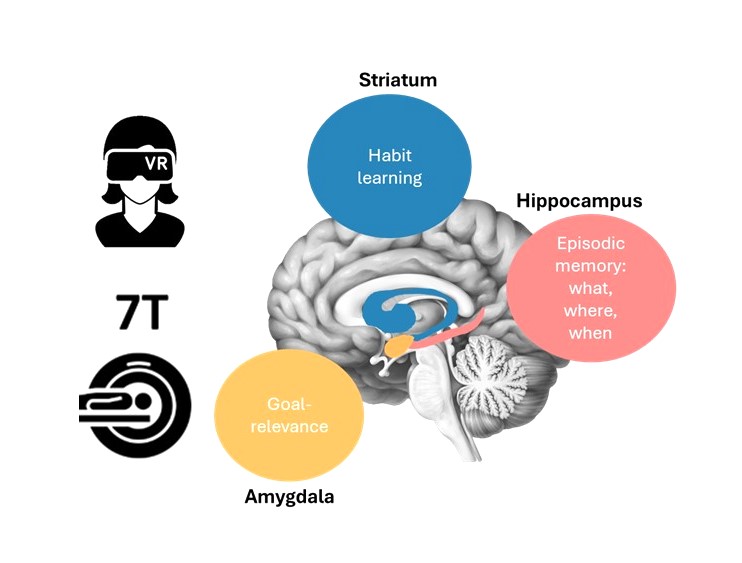
Habits enable efficient behavior by allowing actions to be performed automatically, such as locking the door before leaving home. Even when these actions are automatic, we can still remember when they occurred, for example distinguishing locking the door today from yesterday. This ability reflects an interaction between habitual and episodic memory processes. This project aims to understand how the brain represents goal-relevant spatio-temporal information during habit formation and disruption. Using an ecologically virtual reality task and 7-Tesla fMRI, the project characterizes neural mechanisms supporting spatio-temporal memory in habits. Understanding how habits are integrated into memory systems is crucial for basic and clinical research, as it reveals how pathological processes, such as in Obsessive-Compulsive Disorder, can turn helpful habits into maladaptive ones.
Required Skills
- Strong curiosity, independence, and willingness to learn new methods
- Interest in learning about memory systems
- Strong willingness to learn neuroimaging methods (fMRI)
- Strong willingness to acquire programming and data analysis skills (e.g., Python, R)
- Motivation to work with human participants, including clinical populations
- Motivation to participate in science communication and outreach activities
—————————————————————————————————————————————————————————————————————————————————–
Emi Nagoshi
Role of the immune system in neurodegeneration
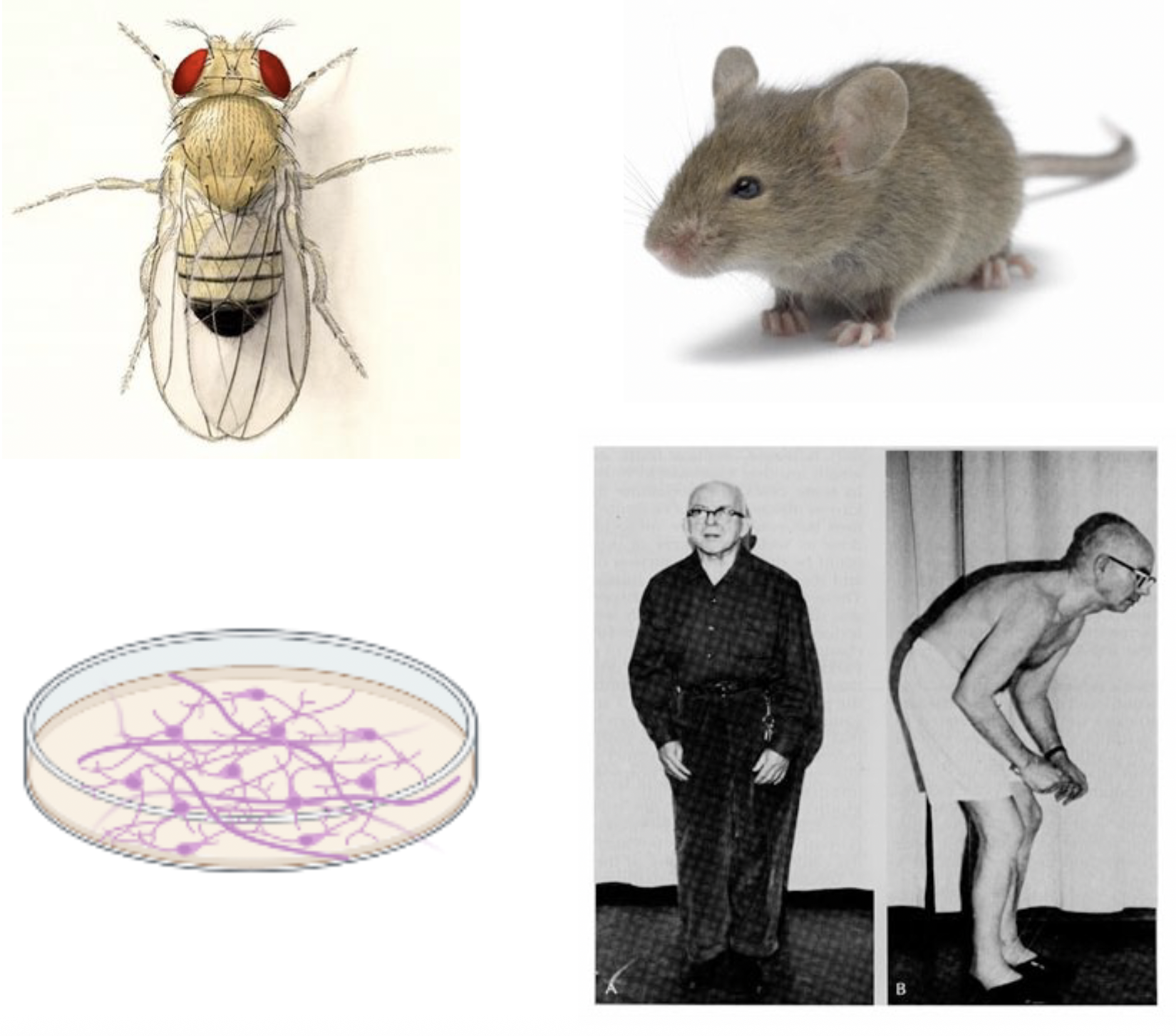
Parkinson’s disease is a neurodegenerative disorder characterized by the loss of dopaminergic (DA) neurons and a broad range of motor and non-motor symptoms. A large body of evidence supports the involvement of an immunity misregulation in the development of PD. However, its exact mechanism remains unclear. This project aims to decipher the role of the immune system in the pathogenesis of PD using Drosophila melanogaster as a main model system. Studies using mice and human induced pluripotent stem cells (hiPSCs) will also be combined to test the conservation of identified mechanisms in mammals.
Required Skills
- Solid knowledge in biology
- Interest in working with genetic model organisms
—————————————————————————————————————————————————————————————————————————————————–
Lampros Perogamvros
Mental imagery and targeted memory reactivation in insomnia

Insomnia Disorder (ID) is characterized by a chronic subjective sleep disturbance, with concomitant daytime impairment. 10% of the general adult population is concerned by this disorder representing a serious health issue. The current project aims to reduce insomnia severity, in ID patients, through the combination of imagery rescripting (IR), a technique where the individual is instructed to imagine a negative memory or image as vividly as possible, and to transform it into a positive one, and olfactory targeted memory reactivation (TMR) which consists of conditioning an odour with a positive mental scenario and then presenting the same odour during the night to reactivate the positive and relaxing scenario while being asleep. The outcomes of this RCT will allow us to investigate new and promising non-pharmacological treatments for ID.
The master student’s tasks will include the following tasks:
- Supporting the research team in the recruitment process
- Participating to material preparation and assessments (odours, EEG, cognitive tasks, etc.)
- Conducting interviews and experimental sessions
- Sorting and analysing behavioural, physiological and/or neuronal data
Required Skills
- Background in neuroscience or psychology preferred
- Interest in sleep studies, olfactory stimuli and clinical applications
- Familiarity with data analysis tools (e.g., MATLAB, Python, or R) is a plus.
- Proficiency in French is needed.
—————————————————————————————————————————————————————————————————————————————————–
Tracking the origin of dreams in the brain

In the proposed study, we take advantage of innovative non-invasive methods, in combination with serial awakenings, to study the subcortical and limbic activity (e.g., in the hippocampus, striatum, amygdala) during sleep and its relation to dreaming. These studies can provide a better understanding of the neural correlates of dreaming and consciousness in general, by studying a largely unexplored part of the brain in relation to these processes, and specifically, some important key structures of the limbic and subcortical system. Moreover, this study can offer for the first time causal (and not correlational) evidence for an emotional function of dreaming.
Required Skills
- Background in neuroscience, psychology, cognitive science, or a similar discipline.
- Basic knowledge of EEG data collection and analysis would be a plus.
- A strong interest in sleep, dreaming and consciousness.
- Prior experience with statistical tools such as R, Python and Matlab will be considered an advantage.
—————————————————————————————————————————————————————————————————————————————————–
Eva Pool
Affective Mechanisms of Reward Processing Underlying Food Intake and Sedentariness
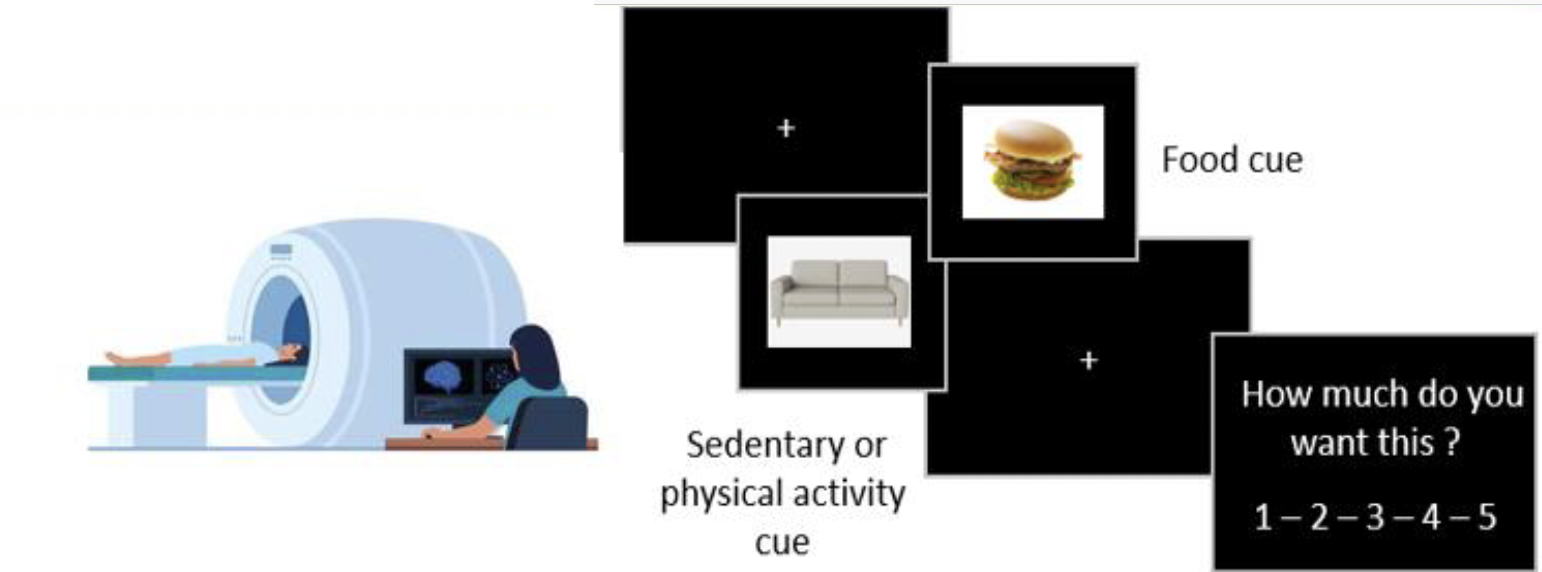
Unhealthy diet and sedentariness are major risk factors for chronic diseases and poor mental health, yet most individuals struggle to adopt healthier habits. This project investigates why these behaviors are so difficult to change by examining the affective and neural mechanisms that drive attraction toward highly palatable foods and sedentary behaviors. Using multivariate fMRI analyses, we will characterize the neural and affective responses to food and sedentary cues, and test whether they rely on shared reward circuits. Additionally, we will evaluate whether a gamified cognitive training intervention can reduce the affective value of unhealthy cues and alter cue-triggered motivational responses. Finally, we will examine how neural and affective laboratory measures relate to daily-life behaviors, using ecological momentary assessments and accelerometry.
Required Skills
- Interest in affective neuroscience, reward processing, and health behavior research
- Experience or strong interest in fMRI data acquisition, preprocessing, and analysis
- Experience or strong interest in behavioral interventions and ecological data analysis (EMA, accelerometry
- Experience or strong interest for statistical and programming skills (e.g., MATLAB, Python, R)
- Strong teamwork, collaboration and communication skills
- Responsible, reliable, and attentive to detail
—————————————————————————————————————————————————————————————————————————————————–
Radek Ptak
Functional imaging correlates of temporal context memory
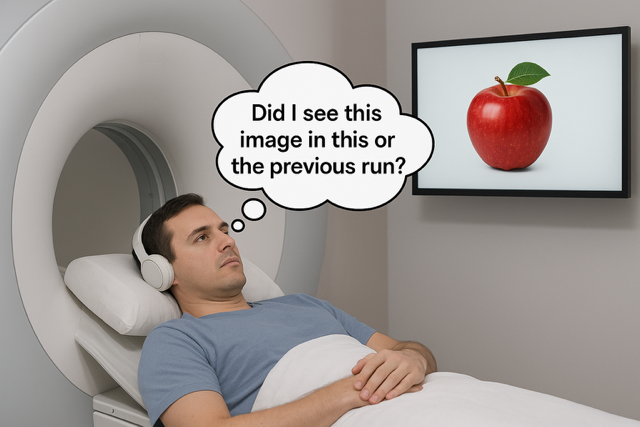
Recognition memory is believed to reflect the combination of recollection and familiarity. These two processes have often been examined using the ‘remember-know’ paradigm, which relies on the subjective feeling of knowing. The present project uses a more objective method – process dissociation – to examine how precisely human participants can distinguish the temporal context of information in memory. We will use functional MRI to measure activations related to the distinction between items shown in two distinct temporal contexts. The assumption is that while familiarity is sufficient for successful recognition, recollection is needed for the additional distinction of the spatio-temporal context of information. The aim of the study is to examine the contributions of the medial temporal lobes and prefrontal cortex to encoding, recognition, and the distinction of contextual information in memory.
Required Skills
- Knowledge of cognitive mechanisms pertaining to memory (such as theories of recognition)
- The understanding of experimental approaches in human cognitive neuroscience
- Strong interest in advanced analysis of fMRI data
- Independance with subject recruitment and strong organizational skills
- Excellent knowledge of either french, english or both
—————————————————————————————————————————————————————————————————————————————————–
Monika Riegel
How do stress hormones and sex hormones affect time perception and temporal memory in females? (StressCycles)
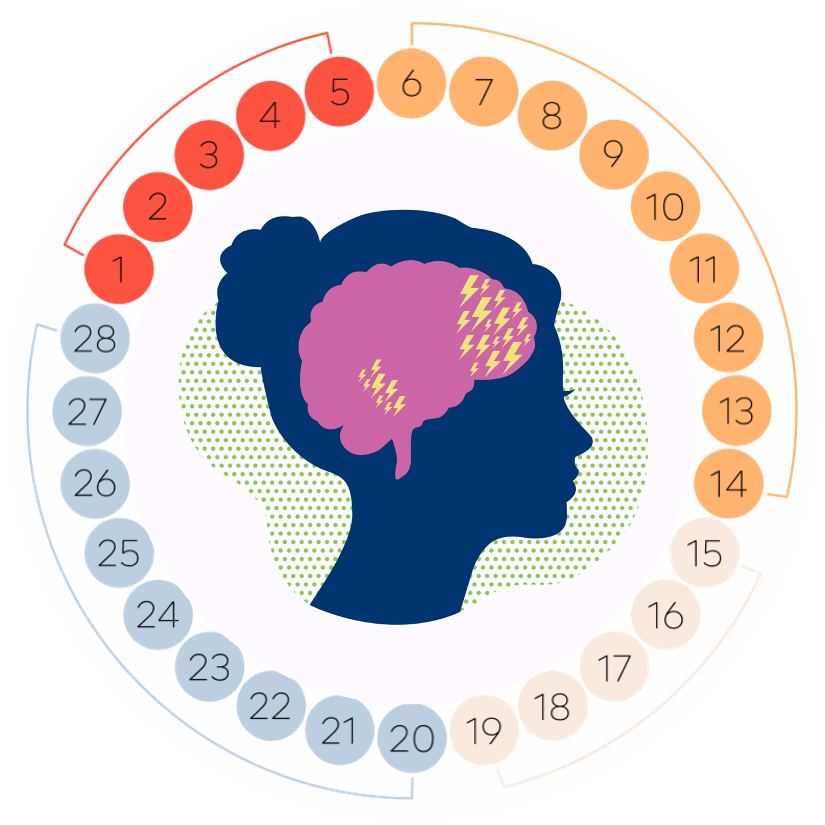
Forming lasting memories of stressful events is essential for survival. However, when stressful experiences are poorly segmented in time, they can generalize, making the world constantly threatening. This mechanism is implicated in major depressive disorder, generalized anxiety disorder, and post-traumatic stress disorder. Critically, females are twice as likely as males to develop these disorders. Yet, most research has focused on males, overlooking the complex interplay between stress and sex hormones. This project investigates how stress and sex hormones interact to shape time perception and temporal memory in females. The results will inform females’ mental health and guide sex- and hormone-specific interventions.
The first aim of the project (one student) is to disentangle the role of the main stress hormones – cortisol and noradrenaline – on memory and perception of time. The student will be involved in all stages of a behavioral and fMRI study: piloting, participants’ recruitment, data collection with pharmacological manipulation, data analysis, writing a manuscript.
The second aim of the project (one student) is to zoom in on the role of menstrual fluctuations of the main sex hormones – estradiol and progesterone – on memory and perception of time. The student will be involved in all stages of a menstrual self-tracking, behavioural and fMRI study: piloting, participants’ recruitment, data collection with pharmacological manipulation, data analysis, writing a manuscript.
Required Skills
- Experience with statistics and programming (Matlab, Python or R)
- Basic knowledge of fMRI data analysis is a plus
- Strong motivation to master data analysis
- Strong interest cognitive and affective neuroscience, and the hormonal effects on the brain
- Being proactive and willing to learn
—————————————————————————————————————————————————————————————————————————————————–
Corrado Sandini
Towards and ecological characterization of affective and sleep comorbidities in ADHD through temporal network analysis
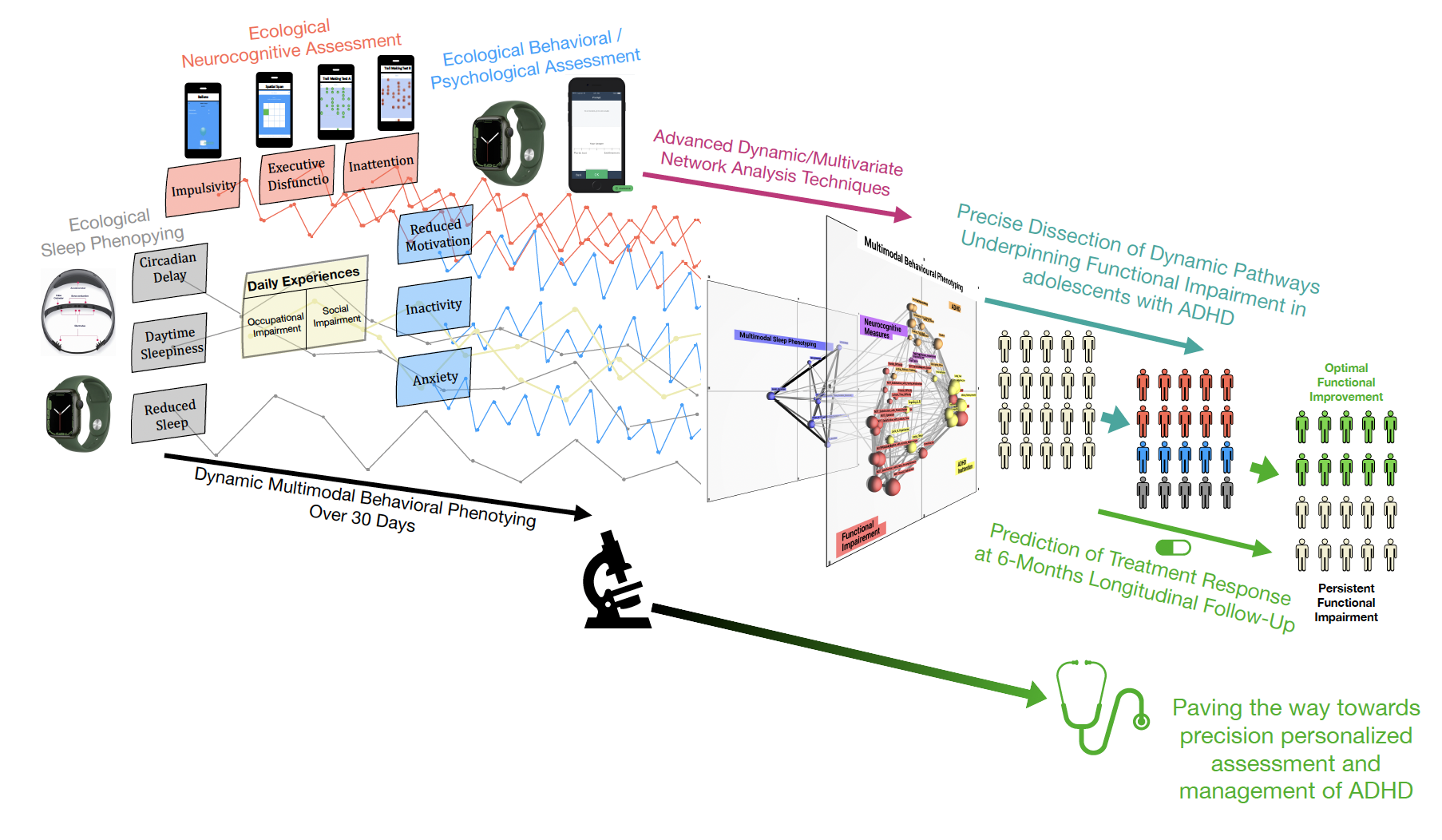
This ongoing project investigates how emotional symptoms, sleep disturbances, and cognitive fluctuations dynamically interact in the daily life of adolescents with ADHD. We combine smartphone-based experience sampling, passive digital (bio)markers, and multi-night portable polysomnography collected in participants’ homes. Temporal network analysis and related data-driven methods are used to map individual symptom pathways and identify patterns linked to clinical impairment. The Master student will contribute to participant recruitment and data collection as well as data processing, analysis, interpretation. The project offers hands-on experience in clinical research, digital phenotyping, and multimodal data analysis.
Required Skills
- Strong interest in clinical neuroscience, psychopathology, or digital health
- Basic data analysis or programming (Python, MATLAB, or R)
- Good organizational skills for participant sessions
- French is an advantage
—————————————————————————————————————————————————————————————————————————————————–
Ilaria Sani
Decoding virtual reality in the brain

How does the brain process virtual environments?
For decades, neuroscience has taken a reductionist approach to study brain and behavior. Virtual reality (VR) offers a new way to simulate realistic scenarios, allowing us to study naturalistic behaviors in a controlled lab setting. In this project, participants will engage in VR tasks while undergoing MRI scanning. By tracking brain activity, eye movements, behavioral performance, and physiological responses, we aim to uncover how the brain operates in immersive environments, bringing neuroscience closer to real-world applications.
Required Skills
- Passion for studying brain behavior in dynamic, realistic settings
- Basic programming skills (e.g., Matlab, Python) or willingness to learn
- Interest in eye-tracking
—————————————————————————————————————————————————————————————————————————————————–
Physics and literacy – two sides of the same brain
What do reading and intuitive physics have in common?
Intuitive physics helps us understand the physical world, while literacy drives communication and learning. Both are essential cognitive skills requiring focused attention. This project hypothesizes a shared brain region for these two abilities. By combining neuroimaging and big-data approaches, we aim to map the functional and structural properties of this brain area. The findings could revolutionize education and diagnostics, shedding light on how these skills are acquired, stabilized, and decline over time.
Required Skills
- Interest in exploring brain-behavior relationaship
- Basic programming skills (e.g., Matlab, Python) or eagerness to learn
- Experience with or curiosity about behavioral and MRI experiments
—————————————————————————————————————————————————————————————————————————————————–
Single cells and the art of attention
How do individual neurons shape our perception of the world?
The brain integrates information about objects, space, and attention to help us navigate and interpret our surroundings. Recent work by our lab has identified the posterior inferotemporal cortex (PIT) as a critical area for object-centered attention and perception. This project takes a deep dive into single-cell mechanisms by combining VR tasks with advanced techniques like single-cell recordings, pharmacological inactivation, and microstimulation in non-human primates. Our goal is to bridge cellular and human neuroscience to reveal the neural basis of vision and attention.
Required Skills
- Excitement for neuroscience at the cellular level
- Interest in animal research and experimental techniques
- Basic programming skills (e.g., Matlab, Python) or eagerness to learn
—————————————————————————————————————————————————————————————————————————————————–
Cracking the code of allocentric neglect
Why do some stroke patients ignore one side of objects?
Visuospatial neglect is a disabling condition where stroke patients fail to perceive one side of space. While damage to the intraparietal sulcus (IPS) explains self-centered neglect, the neural basis of object-centered (allocentric) neglect is less understood. Recent work by our lab highlights the posterior inferotemporal cortex (PIT) as a key player in object-centered perception. Using state-of-the-art tools like virtual reality (VR), advanced neuroimaging, and behavioral analysis, this project will investigate the PIT’s role and its connections, aiming to uncover mechanisms that could inspire innovative rehabilitation strategies.
Required Skills
- Passion for understanding brain-behavior relationships
- Basic programming skills (e.g., Matlab, Python) or a willingness to learn
- Interest in eye-tracking and body-pose estimation
—————————————————————————————————————————————————————————————————————————————————–
Sophie Schwartz
Visual Processing during Sleep in Humans
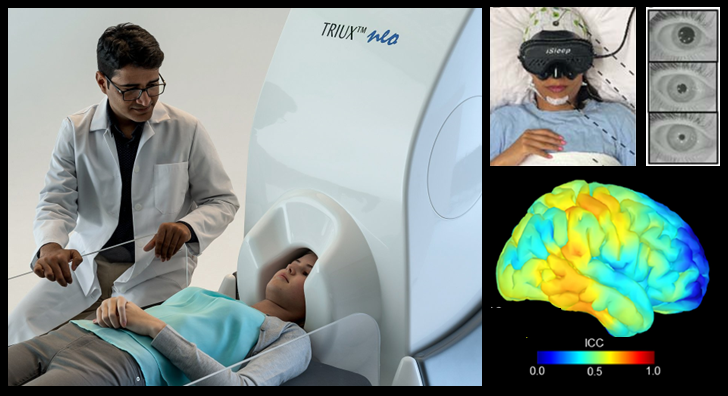
Research has shown that the sleeping brain can process sounds and odors, and discriminate some properties of these stimuli (e.g., emotional vs. neutral). Unlike audition and olfaction, visual processing during sleep remains unexplored because the closed eyelids form a physical barrier from external inputs. We recently developed a safe way to have people sleep with their eyelids open while they are exposed to visual stimuli. In this project, we will investigate how visual stimulation during sleep influences memory consolidation, emotional regulation and dream formation, and will simultaneously collect high spatial and temporal resolution brain data using magneto-encephalography (MEG; the only one in Switzerland). Both the Schwartz lab and the MEG facility are located at the Campus Biotech.
Required Skills
- Good knowledge in the domains of human vision, learning, and/or sleep science
- Good programming skills (e.g., Python, Matlab)
- Experience with EEG or MEG or other neurophysiological methods (e.g., fMRI, ECG, pupillometry) is a plus.
—————————————————————————————————————————————————————————————————————————————————–
Decoding the Sleeping Brain: Searching for Memory Reactivation with 7T MRI
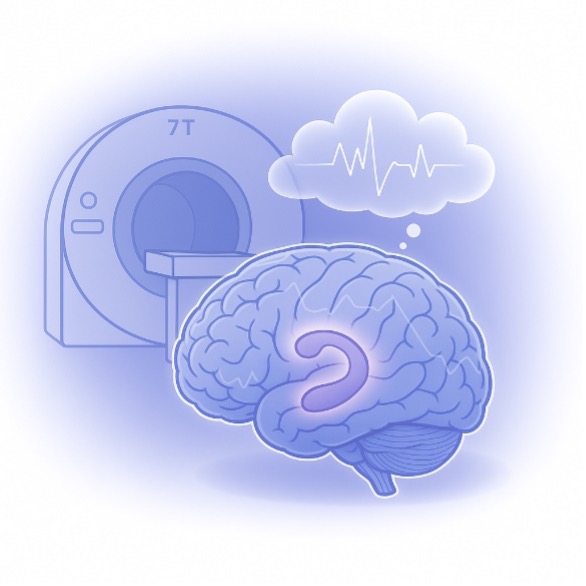
How does the brain reshape our memories during sleep?
In this project, we use ultra-high-field 7T fMRI combined with EEG to investigate how waking experiences are reactivated during sleep and how these reactivations support memory consolidation. Participants first watch video clips designed to engage specific cortical and hippocampal networks. They are then asked to sleep inside the MRI scanner, while brain activity is recorded simultaneously using EEG and fMRI. We subsequently examine whether—and how—the brain spontaneously replays elements of the previously viewed videos during sleep.
In other words: can we “see” what the brain is thinking about while it sleeps?
We hypothesize that synchronized reactivation between the hippocampus and the cortex during sleep predicts how well participants remember the videos the following day. The study involves healthy volunteers who complete three 7T MRI sessions, each including simultaneous EEG recordings.
Required Skills
- Sleep and memory
- Ultra-high-field neuroimaging (7T fMRI)
- Multimodal data analysis (EEG–fMRI)
- Decoding approaches and neuroimaging data analysis (programming)
—————————————————————————————————————————————————————————————————————————————————–
Stéphane Sizonenko
A Novel Cell Encapsulation Therapy for Sanfilippo Syndrome Type IIIA
The aim of the project is to test protective strategy in Sanfilippo dise<se MPSIII. We WILL develop Myo-P5, a novel genetically engineered human cell line that produces the sulfamidase enzyme and to evaluate the therapeutic efficacy of capsule loaded with Myo-P5 in a mouse model of Sanfilippo syndrome. The goal of these proof-of-concept experiments is to demonstrate the therapeutic effect of this strategy by preventing accumulation of heparan sulfate and neurodegeneration.
Required Skills
- Biology and/or medical background
- Interest in brain neurodegenenration in the children
- Cell Culture and in vivo experiments
- Protein and genes expressions measures,
- Immunohistocehmistry Ability to collaborate with different partners
—————————————————————————————————————————————————————————————————————————————————–
Patrik Vuilleumier
Split minds: Neurocognitive components of functional neurological symptoms and dissociative disorders
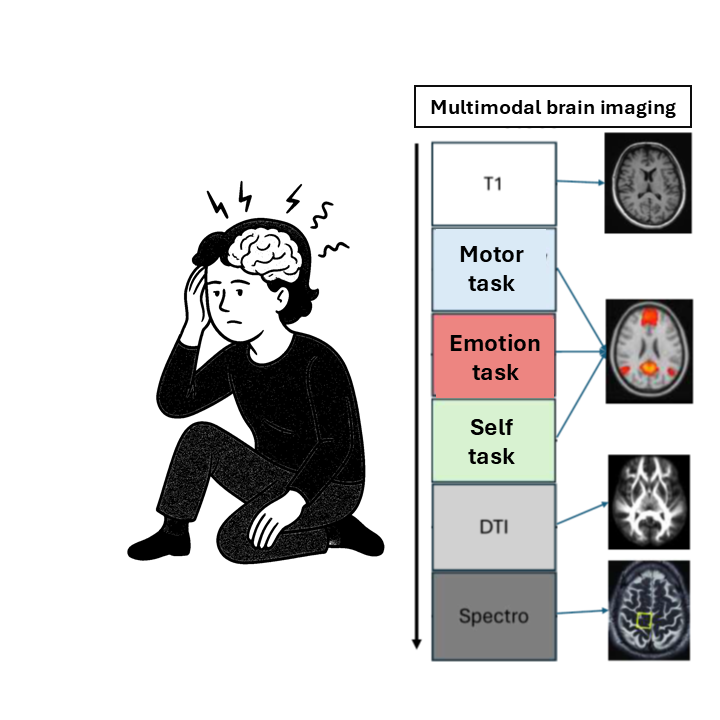
Functional neurological disorders (FND) is a clinical condition at the border of psychiatry and neurology, characterized by motor and/or sensory deficits that arise without structural anatomical lesions. These symptoms reflect an impaired integration of perception, motor control, and self-awareness. Emotional distress, trauma, and dissociative processes are thought to contribute to these symptoms, yet their cerebral mechanisms remain unclear.
Our research investigates how disturbances in emotional processing and self-representation may shape FND. We study a large group of patients with somatic or dissociative symptoms related to FNS across a series of fMRI tasks probing emotional regulation, action control, and self-referential processing, with clinical follow-up after treatment. This will allow us to identify neural markers for symptoms, psychophysiological characteristics, prognosis, and diagnosis specificity.
Findings will refine mechanistic models of FND and guide targeted interventions.
Required Skills
- Background in cognitive and affective neuroscience
- Basic understanding of functional MRI
- Comfort interacting with clinical populations
- Knowledge of General Linear Models (GLM) and correlations
- Practical experience with fMRI analysis tools is a plus (ideally SPM)
—————————————————————————————————————————————————————————————————————————————————–
The temporal dynamics of colour vision
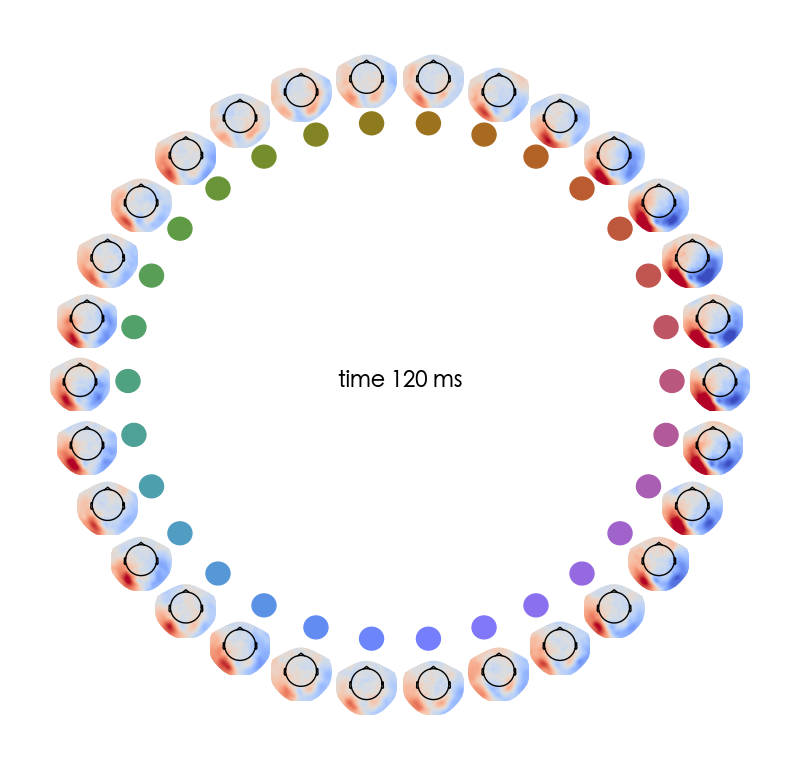
Visual illusions powerfully demonstrate variability in colour perception which can stem from differences in the sensory apparatus or from differences in experience and language. This project aims to make precise predictions about subjective colour experiences and relating these to densely sampled individual M/EEG data. The high temporal resolution of M/EEG allows us to track the change of colour representations in the human brain. Applying computational models, we can relate these representations to models of retinal cone excitations, colour encoding, perceptual matching, and linguistic descriptions. Future work is investigating the purpose of colour in naturalistic stimuli.
The student will contribute to ongoing research by recruiting participants, conducting standardized colour blindness tests, collecting and analysing multimodal data using advanced machine learning methods.
In collaboration with Lina Teichman, Ambizione Fellow at the department of Basic Neuroscience at UNIGE
Required Skills
- Good knowledge of neurophysiology
- Positive attitude toward learning
- Excitement about being part of a research team Interest in visual perception
- Programming skills in Python and/or a strong willingness to learn
- Experience with M/EEG data acquisition and analysis or an eagerness to learn
- Basic knowledge of machine learning methods is a plus
—————————————————————————————————————————————————————————————————————————————————–
Valério Zerbi
Leveraging Neurotechnologies for Advancing Cell Replacement Therapies in Parkinson’s Disease
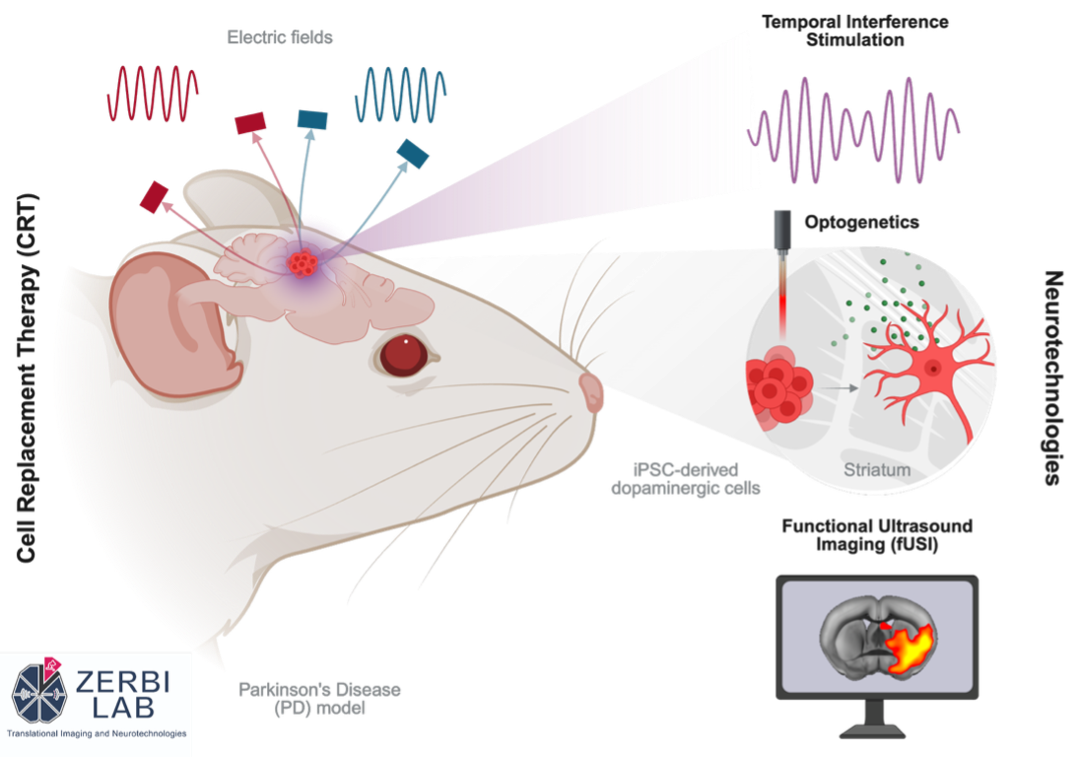
Cell replacement therapies (CRT) are emerging as a new therapeutic approach for Parkinson’s disease, with multiple successful and ongoing clinical trials worldwide3–5. Recent efforts have characterized human dopaminergic cell transplants in the striatum from a molecular perspective, significantly improving therapeutic protocols6. However, the functional aspect of CRT remains largely unknown: how does the graft integrate within the dopaminergic network, locally and systemically? And how can graft functionality be enhanced to maximize its therapeutic outcomes? This project sets out to monitor cell transplants using functional ultrasound imaging, optogenetics, behavioural tests and molecular assays in PD models in vivo. Temporal interference stimulation7 then will be implemented to enhance graft functionality, towards a non-invasive, drug-free tool for advancing CRT with neurotechnologies.
Required Skills
- We’re looking for someone who is excited about science, eager to learn new concepts and techniques, and attentive to details
- We would love a sociable and respectful new student to join our team (and after-work activities!)
- Previous wet lab experience preferred
- Background in biological sciences or bioengineering preferred
—————————————————————————————————————————————————————————————————————————————————–
Zapping Stem Cells to Enhance Neural Regeneration
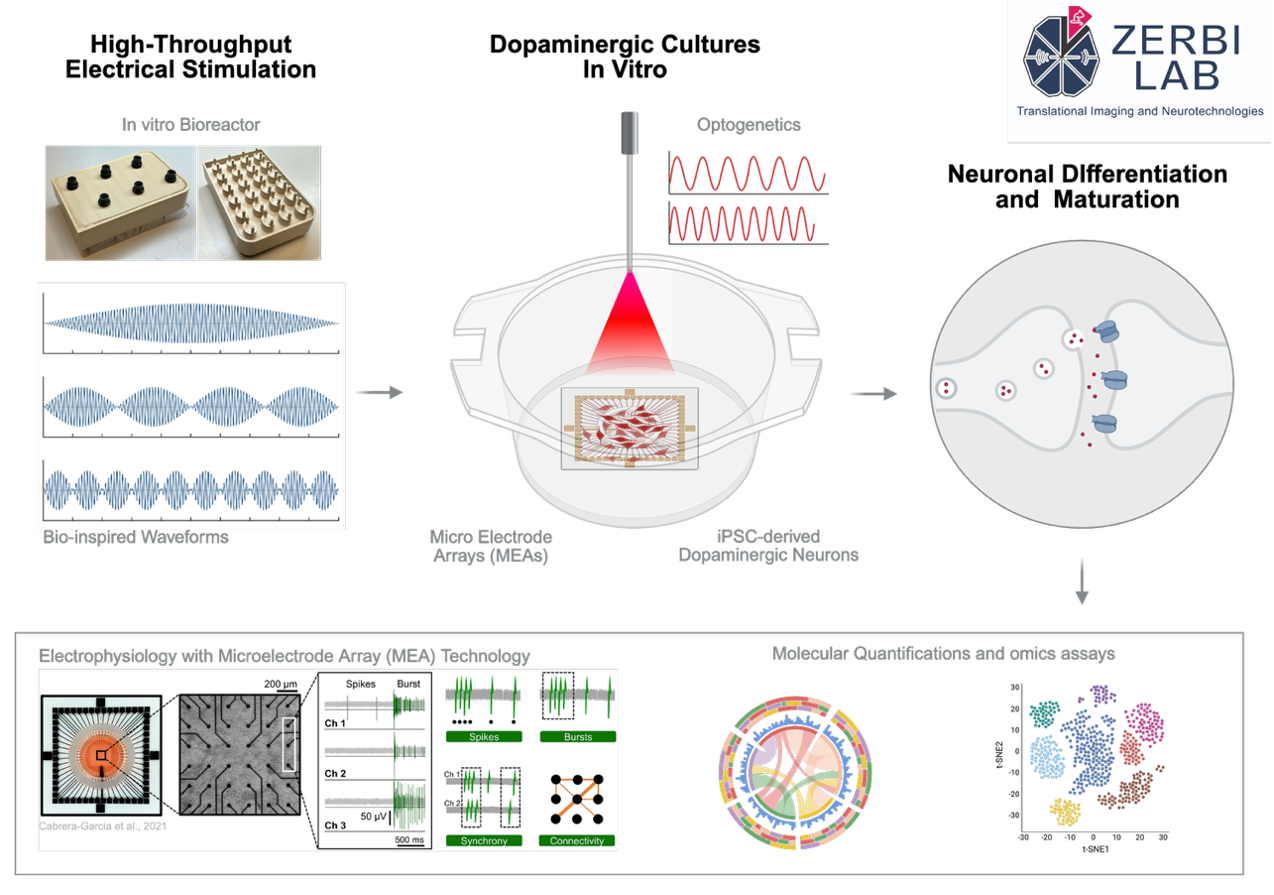
It is known that electric fields orchestrate and direct brain development1. But can we leverage electrical stimulation to enhance neural regeneration? This project aims to identify a novel stimulation protocol to boost neural differentiation and maturation in the context of cell replacement therapies (CRT) for Parkinson’s disease2. Human-derived induced pluripotent stem cells (iPSCs) will be exposed to multiple stimulation paradigms during their differentiation into dopaminergic neurons in vitro. The influence of the stimulation will then be evaluated using immunofluorescence staining, electrophysiological recordings, optogenetics, fluorescence imaging and omics assays. The most effective stimulation protocol will be taken forward to in in vivo experimentation and cell therapy bioprocessing applications, unlocking the potential of electric fields for neural regeneration.
Required Skills
- We’re looking for someone who is excited about science, eager to learn new concepts and techniques, and attentive to details
- We would love a sociable and respectful new student to join our team (and after-work activities!)
- Previous wet lab experience preferred
- Background in biological sciences or bioengineering preferred
—————————————————————————————————————————————————————————————————————————————————–